Does Any of This Sound Familiar?
If any of these feel familiar, you deserve to know what's possible. A lasting solution may be closer than you think.
What Happens When You Wait?
Bone Loss Accelerates
Without tooth roots or implants, your jawbone continues to deteriorate over time.
Remaining Teeth Shift
Gaps allow neighboring teeth to drift, creating new alignment and bite problems.
Treatment Becomes More Complex
Delaying often means additional procedures like bone grafting before restoration.
Costs Increase Over Time
What starts as a straightforward fix can become a larger, more expensive treatment plan.
Daily Frustrations Compound
Difficulty eating and speaking comfortably only grows harder to manage with time.
Fewer Options Available Later
Continued bone and tooth loss can limit the restorative solutions available to you.
The sooner you take action, the simpler and more affordable your path to a restored smile can be.
What Are Implant-Supported Bridges?
An implant-supported bridge replaces several missing teeth in a row using dental implants (permanent tooth replacements) as anchors instead of relying on your natural teeth for support. Two or more titanium posts are placed into the jawbone, and a custom bridge of connected replacement teeth is secured on top. Unlike a traditional bridge, this approach keeps neighboring teeth untouched and provides a stable, permanent restoration.
Advanced 3-D imaging and digital treatment planning allow our team at Wojtowicz Dental to position each implant with precision, ensuring a secure fit and long-lasting results. For patients considering implant-supported bridges in Elroy, this technology means a personalized plan built around your unique anatomy and goals.
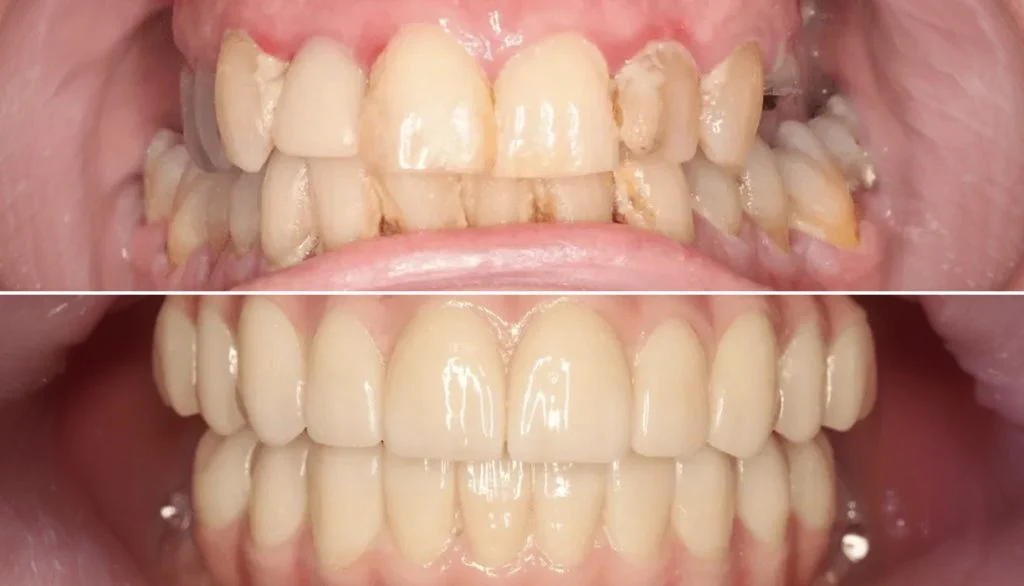
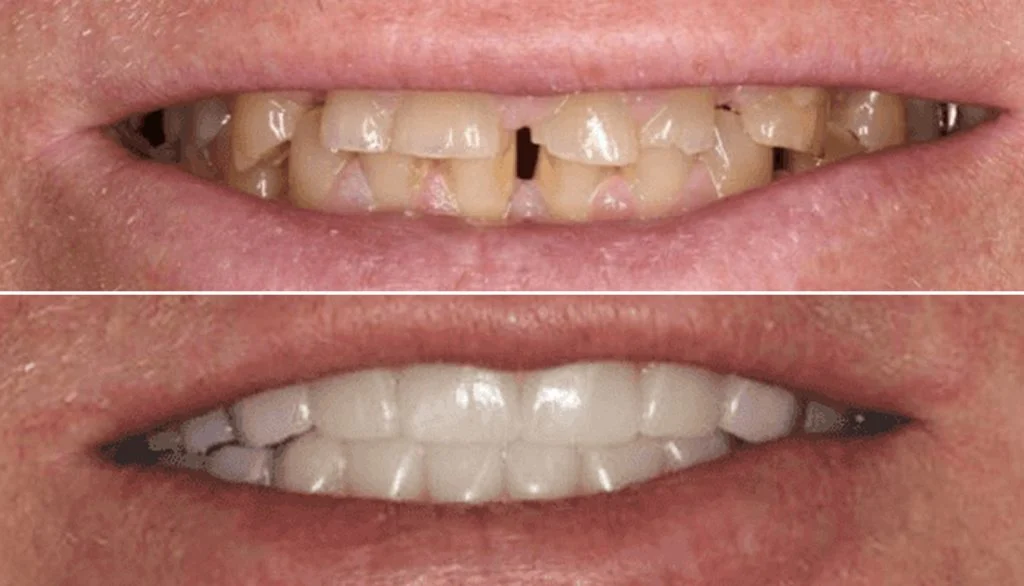
Transformations That Last
Be our Next Success Story!
Which Implant-Supported Bridge Option Fits You?
| Factor | Fixed Implant Bridge | Removable Implant Bridge |
|---|---|---|
| Best suited for | Patients wanting a permanent, non-removable solution | Patients who prefer a bridge they can remove for cleaning |
| Stability | Securely fixed in place at all times | Snaps onto implants; stable but detachable |
| Maintenance | Brush and floss like natural teeth | Remove daily for cleaning; soak overnight |
| Longevity | Decades with proper care | May need periodic reline or replacement |
| Comfort level | Feels most like natural teeth | Comfortable; slight awareness it’s removable |
| Bone preservation | Stimulates jawbone to prevent bone loss | Stimulates jawbone to prevent bone loss |
| Number of visits | Multiple visits over several months | Multiple visits over several months |
| Key advantage | Closest to the look and feel of natural teeth | Easier access for cleaning and adjustments |
Get Your FREE Dental Implant Pricing Guide + $450 Savings
In the guide, you’ll learn about:
- Dental Implant Options
- Factors That Affect Your Eligibility
- Average Pricing
Benefits of Implant-Supported Bridges
See What's Possible for Your Smile
Dental Implants
Dental Implants
Be our Next Success Story!
Request an appointment with one of our doctors and start your smile journey today.
Are Implant-Supported Bridges Right for You?
Not Sure If You Qualify?
What to Expect During Your Implant-Supported Bridge Treatment
Comprehensive Evaluation
Your visit begins with a thorough exam and advanced 3-D imaging so we can assess your jawbone, gum health, and the space where your bridge will go. You'll have the chance to ask questions and discuss your goals. We'll create a customized treatment plan that accounts for your anatomy and preferences, so you leave this appointment feeling informed and confident about next steps.
Implant Placement
Using digitally guided surgical planning, your implants are positioned precisely into the jawbone. Local anesthesia and sedation options ensure you stay relaxed and comfortable throughout. Most patients describe the sensation as mild pressure rather than discomfort. By the end of this visit, your implant posts are in place and your healing process begins.
Healing and Integration
Over the next several months, your titanium implants fuse naturally with your jawbone through a process called osseointegration (where titanium bonds securely with bone). During this time, a temporary restoration keeps your smile functional and natural-looking. We'll check in with you periodically to make sure healing is progressing smoothly.
Abutment and Impressions
Once your implants have fully integrated, we place small connector pieces and take precise digital impressions of your mouth. This information guides the design of your permanent bridge, ensuring an exact fit for comfort, function, and aesthetics. No messy impression material is needed thanks to our digital scanning technology.
Your Permanent Bridge
Your custom-crafted porcelain bridge is securely attached to your implants. We fine-tune the fit, bite, and appearance so everything feels natural. You'll leave this appointment with a fully restored smile that looks, feels, and functions like your own teeth.
Ready to Enjoy a Complete, Confident Smile Again?
Recovery After Your Implant-Supported Bridge
First 24 to 48 Hours
Some mild swelling and tenderness around the implant sites is completely normal during this period. Stick to soft foods, rest when you can, and use over-the-counter pain relief as needed. Most patients find that any discomfort is very manageable and feel well enough to return to light daily activities within a day or two.
First 1 to 2 Weeks
Swelling and tenderness continue to decrease as your body begins healing. You can gradually reintroduce firmer foods as comfort allows, and gentle brushing around the area helps keep things clean. Many patients return to their normal routines within the first week, with only minor adjustments.
Long-Term Healing
Over the following three to six months, your implants integrate fully with your jawbone. During this time, a temporary restoration keeps your smile looking and functioning well. You'll visit us for periodic check-ins so we can monitor progress and ensure everything is on track for your permanent bridge.
Questions About Recovery? Support line: We're here to help.
Implant-Supported Bridges vs. Traditional Bridges and Partial Dentures
| Factor | Implant-Supported Bridge | Traditional Bridge | Fixed Bridge (Tooth-Supported) | Partial Denture |
|---|---|---|---|---|
| Longevity | Decades with proper care | 7 to 15 years on average | 7 to 15 years on average | 5 to 10 years on average |
| Stability | Anchored to implants in jawbone | Cemented to adjacent natural teeth | Cemented to adjacent natural teeth | Clasps onto remaining teeth; may shift |
| Bone preservation | Stimulates jawbone to prevent bone loss | Does not prevent bone loss in gap area | Does not prevent bone loss in gap area | Does not prevent bone loss |
| Impact on adjacent teeth | No alteration needed | Requires reshaping healthy neighboring teeth | Requires reshaping healthy neighboring teeth | Clasps may put pressure on natural teeth |
| Chewing ability | Functions like natural teeth | Good, but depends on supporting teeth | Good, but depends on supporting teeth | Reduced; some food restrictions |
| Maintenance | Brush and floss like natural teeth | Requires floss threaders or special cleaning | Requires floss threaders or special cleaning | Remove daily for cleaning |
| Comfort level | Feels most like natural teeth | Comfortable once placed | Comfortable once placed | May feel bulky; adjustment period needed |
| Initial investment | Higher upfront cost | Lower upfront cost | Lower upfront cost | Lowest upfront cost |
| Long-term value | Strong; fewer replacements over time | Moderate; may need replacement | Moderate; may need replacement | Lower; more frequent replacements likely |
Flexible Payment Plans for Your Smile
NO Credit Score Impact Until Plan Selected.
Don't Wait to Smile. Check out Our Payment Options.
Implant-Supported Bridge FAQs
How long do implant-supported bridges last?
Is the implant placement procedure painful?
What makes this different from a traditional dental bridge?
How many implants will I need?
Can I eat normally with an implant-supported bridge?
What if I've been told I don't have enough bone for implants?
How long does the entire process take from start to finish?
Will my bridge look natural?
Do I need to do anything special to care for my bridge?
Are implant-supported bridges covered by insurance?
Still Have Questions?​