

You want to save your teeth whenever you can. But sometimes keeping a damaged tooth can harm your oral health. Infection, severe decay, advanced gum disease, or a badly broken tooth can push your dentist to recommend removal.
A tooth extraction becomes the best option when a tooth cannot be repaired and leaving it in place would cause pain, infection, or further damage to your mouth.
In these cases, removing the tooth can protect nearby teeth, your jawbone, and your overall health.
You may also face this choice with wisdom teeth removal or crowded teeth that block proper alignment. Understanding when removal makes sense helps you feel more confident about your treatment and what comes next.
Key Takeaways
- Remove a tooth when it cannot be fixed and it threatens your oral health.
- Dentists weigh damage, infection risk, and long-term outcomes before recommending extraction.
- You can plan for healing and replacement options such as dental implants to protect your smile after removal.
Circumstances That Make Tooth Removal Necessary
Dentists try to save your natural teeth whenever possible. But certain problems make tooth extraction the safest and most practical choice for your long-term oral health.

Severe Tooth Decay That Cannot Be Restored
Severe tooth decay can destroy so much structure that a filling or crown will not hold. When extensive decay reaches deep into the tooth and below the gumline, there may not be enough healthy enamel left to support a restoration.
You might also have decay that damages the inner pulp. In some cases, a root canal can fix this. But if the tooth is cracked, broken down to the root, or too weak to rebuild, removal may protect the rest of your mouth.
A dentist may recommend extraction when a tooth is “so badly damaged it can’t be repaired,”.
Keeping a tooth that cannot be restored can trap bacteria and lead to pain, swelling, and further damage.
Advanced Gum Disease and Tooth Stability
Advanced gum disease, also called periodontitis, affects the bone and tissues that hold your teeth in place. As the disease progresses, your gums pull away and bone loss develops.
You may notice loose teeth, bleeding gums, or changes in how your teeth fit together. When the bone support becomes too weak, even a healthy-looking tooth can become unstable.
In these cases, saving the tooth may not be possible. Teeth that are not supported by enough bone because of periodontal disease often need removal.
Removing a loose tooth can prevent infection from spreading and make it easier to treat the remaining gum disease. This step can protect your overall oral health.
Chronic or Recurrent Infection
Sometimes a tooth develops a deep infection called an abscess. You may feel throbbing pain, swelling, bad taste, or fever.
A root canal often removes infected tissue and saves the tooth. But if the infection keeps coming back or does not respond to treatment, extraction may be the safer choice.
Severe pain, swelling, or infection can signal that removal is urgent.
Leaving a chronically infected tooth in place can allow bacteria to spread to nearby teeth, bone, or even other parts of your body. Removing the tooth can stop the infection and reduce serious risks.
Risks of Preserving an Unsalvageable Tooth
Trying to keep a tooth that cannot function well can create more problems than it solves.
You may deal with:
- Ongoing pain
- Repeated dental visits
- Higher treatment costs
- Damage to nearby teeth
Dentists focus on preserving natural teeth whenever possible. But there are situations where removal is the healthiest option.
If a tooth continues to break down, shift, or cause infection, keeping it can affect your bite and daily comfort. In these cases, tooth removal can help you move forward with a stable and predictable treatment plan.
Factors Influencing Treatment Versus Extraction
Your dentist looks at how much of the tooth remains, how stable it is in the bone, and whether treatment will last. Infection, crowding, and trauma also shape the choice between saving a tooth and removing it.
Limitations of Root Canal and Endodontic Therapy
A root canal can remove infection and save your natural tooth. Many teeth do well after treatment, especially when you place a crown to protect them.
Still, not every tooth can be saved. If decay extends far below the gum line, your dentist may not have enough healthy structure to restore it. A vertical root fracture often means extraction is the only stable option.
Sometimes root canal therapy fails and needs retreatment or endodontic surgery.
If infection keeps returning or bone support is poor, surgery may not succeed. In these cases, removing the tooth can prevent ongoing pain and repeated procedures.
Partial Impaction and Impacted Teeth
Impacted teeth do not fully erupt into your mouth. This problem often affects impacted wisdom teeth in the back of your jaw.
A partial impaction leaves part of the tooth under the gum. Food and bacteria collect around it, which raises your risk of gum infection and decay. You may feel swelling, bad breath, or pain when you chew.
Dentists often recommend removal when cleaning the area is hard or when the tooth pushes against nearby teeth. A tooth that cannot function properly or is unlikely to stay healthy may need extraction.
Impacted wisdom teeth often fit this situation because they lack space to erupt normally.
Orthodontic Needs and Overcrowding
Sometimes your teeth are healthy, but there is not enough space in your mouth. Severe crowding can block proper alignment and make cleaning harder.
During orthodontic treatment, your orthodontist may suggest removing one or more teeth. This step creates space so the remaining teeth can move into better positions. It can also improve your bite and reduce long-term wear.
You might need extraction if:
- Your jaw is too small for all your teeth
- Teeth overlap in a way that traps plaque
- Protruding teeth increase your risk of injury
Your dentist and orthodontist plan this carefully. They choose teeth that will least affect your appearance and function once removed.
Severe Dental Trauma and Dislodged Teeth
A strong blow to your mouth can crack or loosen a tooth. Dental trauma may damage the pulp, root, or surrounding bone.
If you have a dislodged tooth, quick care matters. In some cases, your dentist can reposition and stabilize it. A later root canal may still save the tooth.
However, extraction becomes the best choice when:
- The root is split vertically
- The tooth breaks below the gum line
- Bone support is lost beyond repair
Removing a severely damaged tooth can stop infection and prepare you for a future replacement, such as a bridge or implant.
Special Cases: Wisdom Teeth and Complex Extractions
Wisdom teeth and other hard-to-reach teeth often need extra planning and skill. You may face higher risks when teeth stay trapped in the jaw or grow in the wrong position.
Impacted and Partially Erupted Wisdom Teeth

When you have impacted wisdom teeth, they do not fully break through your gums. Some stay trapped under bone. Others show only part of the crown, which dentists call partial impaction.
Partially erupted teeth are hard to clean. Food and bacteria collect under the gum flap and can lead to infection or gum disease. Dentists often remove impacted teeth when they cause pain, infection, cysts, or damage to nearby teeth.
You may not always feel symptoms right away. Even without pain, trapped wisdom teeth can still affect your oral health.
Complications with Jawbone and Neighboring Teeth
Impacted teeth can press against nearby molars. This pressure may damage enamel, cause cavities, or lead to root problems.
In some cases, cysts form around the trapped tooth. These fluid-filled sacs can weaken your jawbone health and damage surrounding tissue. Removing the tooth helps stop further harm.
Complex cases often involve teeth below the gumline or deep in the bone. A complex tooth extraction may require cutting the gum and removing small amounts of bone.
Your dentist may divide the tooth into sections to remove it safely and protect nearby nerves and structures.
Treatment Planning for Difficult Extractions
Careful planning lowers your risk of problems. Your dentist will take X-rays to check tooth position, bone levels, and the location of nearby nerves.
Some extractions are simple. Others require a specialist.
Your treatment plan may include:
- Local anesthesia to numb the area
- Sedation if you feel anxious
- Detailed aftercare steps to protect the blood clot and reduce swelling
Following instructions after your tooth extraction supports healing and helps protect your jawbone and surrounding teeth.
Preparing for and Recovering From Tooth Extraction
You can lower stress and heal faster when you know what will happen and how to care for your mouth. Clear steps before and after a tooth extraction protect your oral health and reduce problems.
What to Expect Before the Procedure
Before your tooth extraction, your dentist reviews your medical history and current medicines. Tell them if you take blood thinners, have heart issues, or have diabetes. These details affect bleeding and healing.
Your dentist may take X-rays to check the tooth roots and nearby bone. This helps them plan the safest way to remove the tooth.
You may need to avoid food or drinks for several hours if you will receive sedation. Arrange a ride home if you will not be fully alert after the visit.
Wear loose clothing and avoid heavy makeup around your mouth. Plan soft foods at home so you do not need to cook right away.
Pain Management and Sedation Options
Your dentist will numb the area with local anesthesia. You stay awake, but you should not feel pain. You may feel pressure during the tooth extraction.
If you feel anxious, ask about sedation. Options may include:
- Nitrous oxide (laughing gas) to help you relax
- Oral sedatives taken before the visit
- IV sedation for deeper relaxation
Stronger sedation requires someone to drive you home.
After the procedure, mild to moderate pain is common. Your dentist may suggest over-the-counter pain relievers like ibuprofen. In some cases, they may prescribe short-term medication.
Use pain medicine exactly as directed. Do not mix drugs unless your dentist says it is safe.
Aftercare Instructions for Healing
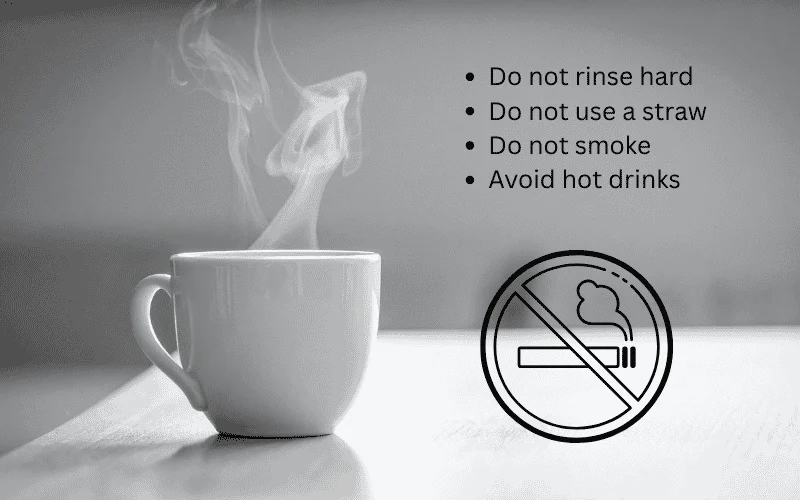
Good aftercare instructions lower your risk of infection and dry socket. Bite gently on gauze for 30 to 60 minutes to control bleeding.
For the first 24 hours:
- Do not rinse hard
- Do not use a straw
- Do not smoke
- Avoid hot drinks
These actions can remove the blood clot that protects the socket.
Apply an ice pack to your cheek for 10 to 20 minutes at a time to reduce swelling. Eat soft foods like yogurt, mashed potatoes, and scrambled eggs.
After the first day, rinse gently with warm salt water. Brush your teeth, but avoid the extraction site. Careful cleaning supports your oral health while the area heals.
Risks and How to Protect Oral Health
Most tooth extraction procedures heal without major problems. Still, you should watch for warning signs.
Call your dentist if you notice:
- Severe pain that gets worse after a few days
- Heavy bleeding that does not slow down
- Swelling that spreads
- Fever
These signs may point to infection or dry socket.
You can protect your oral health by following all aftercare instructions and keeping follow-up visits. Ask about options to replace the missing tooth, such as implants or bridges, to prevent shifting teeth and bone loss.
Taking these steps helps your mouth heal in a steady and safe way.
Tooth Replacement Options After Extraction
After a tooth extraction, you need to decide how to fill the gap. The right choice protects your bite, supports jawbone health, and helps you chew and speak with ease.
Dental Implants and Jawbone Preservation
Dental implants replace both the root and the crown of your missing tooth. Your dentist places a small titanium post into your jawbone, and it bonds with the bone over time.
This bond helps protect your jawbone health. When you lose a tooth, the bone in that area can shrink. An implant keeps the bone active and reduces bone loss.
Implants are the gold standard for single tooth replacement. They look and feel close to natural teeth and do not rely on nearby teeth for support.
Implants work best if you have enough healthy bone and good oral health. They often last many years with proper care.
Partial Dentures and Full Dentures
Dentures are removable appliances that replace missing teeth. You can choose partial dentures if you still have some natural teeth, or full dentures if you have lost all teeth in an arch.
Partial dentures use clasps or attachments to stay in place. They cost less than most tooth implants and do not require surgery. Full dentures rest on your gums and replace all upper or lower teeth.
Dentures restore your smile and improve chewing. However, they do not stop bone loss the way implants can.
Some people notice movement or sore spots at first. A dentist can adjust the fit to improve comfort.
Considerations for Tooth Implants
Tooth implants require a surgical procedure and healing time. You may need several months for the implant to fuse with your jawbone before placing the final crown.
Cost is another key factor. Implants usually cost more upfront than dentures or bridges. Insurance may cover part of the treatment, but you should confirm your benefits before you decide.
Your dentist will check:
- Bone density
- Gum health
- Medical conditions such as diabetes
- Smoking habits
If your bone is thin, you may need a bone graft before placing tooth implants. A detailed consultation, helps you match the treatment to your health, budget, and long-term goals.
Frequently Asked Questions
You may wonder how dentists decide when a tooth cannot be saved, what removal will cost, and how long healing takes. Clear facts about risks, aftercare, and timing can help you feel prepared and calm.
How do I know if a tooth is too damaged to be saved with a filling or crown?
Your dentist checks how much healthy tooth structure remains. If decay or a fracture extends deep below the gum line, a filling or crown may not hold.
You may also need removal if the tooth has severe infection that spreads to the root and surrounding bone. In these cases, dentists may explain that tooth extraction is the best way to eliminate infection.
Advanced gum disease can also loosen a tooth so much that it cannot stay stable, even with treatment.
What are the most common disadvantages of having a tooth removed?
You will have soreness and swelling for a few days. Some people also notice minor bleeding during the first 24 hours.
After healing, the empty space can let nearby teeth shift. This movement can affect your bite.
You may need a dental implant, bridge, or partial denture to restore chewing and prevent bone loss. These treatments add time and cost.
What should I do and avoid doing during the first 24 hours after an extraction?
Keep firm pressure on the gauze pad for the time your dentist recommends. This helps a blood clot form in the socket.
Rest with your head slightly raised. Use ice packs on your cheek for 10 to 20 minutes at a time to reduce swelling.
Do not rinse hard, spit forcefully, drink through a straw, or smoke. These actions can dislodge the clot and lead to a painful condition called dry socket.
Stick to soft, cool foods. Avoid hot drinks and hard or crunchy foods on the first day.
How much does a tooth extraction usually cost, and what affects the price?
The price depends on whether the extraction is simple or surgical. A simple extraction costs less because the dentist can remove the tooth without cutting the gum.
A surgical extraction costs more. This type is common for broken teeth or impacted teeth that sit below the gum line.
Other factors include X-rays, sedation, your location, and whether you have dental insurance.
What are the normal healing stages after a tooth extraction, and when should I worry?
In the first 24 hours, a blood clot forms in the socket. Mild bleeding and swelling are normal.
During the next few days, swelling should slowly decrease. New tissue begins to cover the area within one to two weeks.
Call your dentist if you have severe pain that starts a few days later, heavy bleeding that does not stop, pus, fever, or swelling that gets worse instead of better.
Is it better to schedule a tooth extraction in the morning or the afternoon?
Morning appointments work well for many people. You start healing earlier in the day and can contact the office more easily if you have questions.
If you feel anxious, an early visit may prevent you from worrying all day. Afternoon visits can also work, as long as you can rest afterward and follow aftercare steps.


