

Many adults wonder if they’ve missed their chance to fix crooked teeth. You’re never too late to straighten your teeth with clear aligners, no matter your age.
One out of every three orthodontic patients is now an adult, showing just how common this treatment has become for people in their 40s, 50s, and beyond.
Clear aligners offer you a way to straighten your teeth without the metal brackets and wires you might remember from childhood. These nearly invisible trays fit your lifestyle better than traditional braces.
You can remove them to eat and brush your teeth while still getting the straight smile you want.
Straightening your teeth as an adult isn’t just about looks. Crooked teeth can make it harder to keep your mouth clean and may lead to cavities and gum disease.
When your teeth don’t line up properly, you might have trouble chewing food correctly. Clear aligners can improve both your appearance and your dental health while fitting into your daily routine.
Key Takeaways
- Adults can successfully use clear aligners at any age to straighten their teeth
- Treatment with clear aligners typically takes between 12 to 22 months depending on your specific needs
- Clear aligners cost between $1,200 and $8,500 and offer health benefits beyond just improving your smile
Table of Content
- Is It Too Late for Adults to Straighten Their Teeth?
- How Clear Aligners Work for Adults
- Benefits of Clear Aligner Treatment in Adulthood
- Common Adult Dental Issues Treated by Clear Aligners
- Treatment Timelines, Cost, and Practical Considerations
- Taking the First Steps with Clear Aligners as an Adult
- Frequently Asked Questions
Is It Too Late for Adults to Straighten Their Teeth?
You can straighten your teeth at any age, and modern clear aligners make it easier than ever for adults to improve their smiles.
Adult orthodontics continues to grow as more people discover that age is not a barrier to achieving straighter teeth.
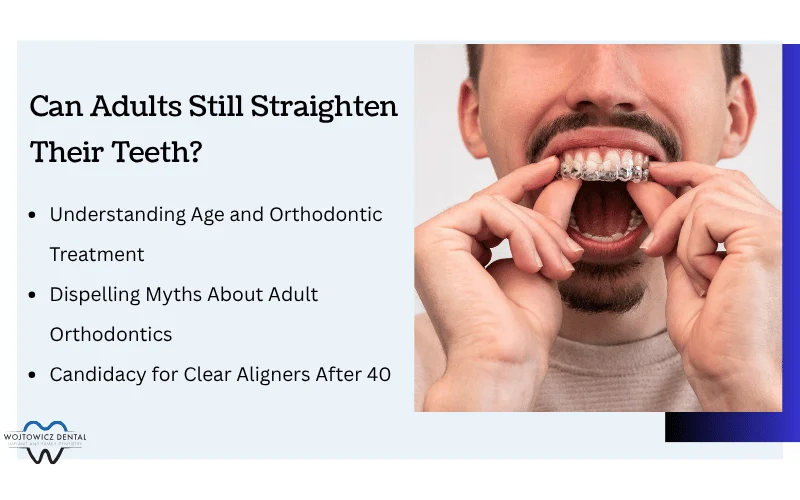
Understanding Age and Orthodontic Treatment
Your age doesn’t prevent you from getting orthodontic treatment. In fact, one in three orthodontic patients is an adult, showing just how common adult orthodontic care has become.
Adults do have some differences compared to younger patients. Your bones are denser and your teeth are fully mature, which can affect how your teeth move during treatment.
An experienced orthodontist will adjust your aligner therapy to account for these factors.
You might have existing dental issues like missing teeth, receding gums, or previous dental work. These conditions don’t disqualify you from treatment but may require your orthodontist to create a customized plan.
The good news is that orthodontic care is not limited to teenagers, even if you’re over 50.
Dispelling Myths About Adult Orthodontics
Many adults believe they’ve missed their chance for a straighter smile. This is simply not true. Clear aligners work for adults at any age with a nearly invisible approach.
Another common myth is that treatment takes too long for adults. While the average treatment time is 22 months, many adults see results in 12 to 18 months.
Your specific timeline depends on your teeth’s current position and any dental conditions you have.
Some people worry that braces will affect their professional life. Clear aligners for adults solve this problem because they’re removable and nearly invisible.
You can continue your normal work and social activities without drawing attention to your treatment.
Candidacy for Clear Aligners After 40
Your oral health matters more than your age when determining if you’re a candidate for aligners for adults. Healthy gums and teeth are essential before starting clear aligner treatment.
Most adults in their 40s, 50s, and beyond qualify for clear aligners. Your orthodontist will check for conditions like gum disease, tooth decay, or bone loss that need treatment first.
Once these issues are addressed, you can begin your aligner therapy.
Clear aligners can fix crowded teeth, gaps, crossbites, open bites, underbites, and overbites in adult patients. Your orthodontist will evaluate your specific concerns and create a treatment plan tailored to your needs and lifestyle.
How Clear Aligners Work for Adults
Clear aligner therapy uses custom-made plastic trays to gradually shift your teeth into proper alignment.
The process relies on digital technology to map your treatment from start to finish, offering a removable alternative to fixed metal brackets.
The Clear Aligner Process
Clear aligners are sets of clear, thin, plastic-like trays that fit snugly over your teeth. You’ll wear each set of aligners for about one to two weeks before switching to the next set in the series.
Each aligner moves your teeth a fraction of a millimeter at a time. You need to wear them at least 22 hours per day for the best results.
You’ll remove your aligners when eating, drinking anything other than water, and when brushing or flossing. This makes it easier to maintain good oral hygiene during treatment.
The total number of aligners you need depends on how much your teeth need to move. Some people finish treatment in 12 months, while others may need 18 months or longer.
Your orthodontist will schedule regular check-ins every 6 to 8 weeks. These visits ensure your teeth are moving as planned and give you your next sets of aligners.
Role of Digital Scans and Modern Technology
Your orthodontist starts by taking digital scans of your teeth and bite. These scans create a 3D model of your mouth without messy impressions.
The digital model allows your orthodontist to map out your entire treatment plan before you even start. You can often see a preview of how your smile will look after treatment.
Computer software calculates the exact movements needed for each tooth. This precision helps create aligners that apply the right amount of pressure in the right places.
The technology also makes it easier to adjust your treatment plan if needed. If your teeth aren’t moving as expected, your orthodontist can create new aligners based on updated scans.
Popular brands like Invisalign use this digital approach to manufacture your custom aligners. The trays are then shipped directly to your orthodontist’s office.
What Makes Clear Aligners Different from Braces
Clear aligners are nearly invisible when you wear them. Unlike metal braces with brackets and wires, most people won’t notice you’re straightening your teeth.
You can remove your aligners for special occasions, important meetings, or photos. Traditional braces stay fixed to your teeth throughout the entire treatment period.
Aligners must be removed when you eat or drink, which means no food restrictions. With braces, you need to avoid sticky, hard, or chewy foods that might damage the brackets.
Cleaning your teeth is simpler with removable aligners. You can brush and floss normally instead of working around wires and brackets.
However, aligner treatment requires discipline. You’re responsible for wearing them the required 22 hours daily and switching to new trays on schedule.
Some complex orthodontic cases still work better with traditional braces. Your orthodontist will recommend the best treatment option based on your unique needs, which might include braces, aligners, or a combination of both approaches.
Benefits of Clear Aligner Treatment in Adulthood
Adults choosing clear aligners gain advantages that go beyond straighter teeth. You’ll experience improvements in your appearance, health, and daily comfort that make treatment worthwhile at any age.

Discreet Teeth Straightening and Lifestyle Fit
Clear aligners offer a nearly invisible way to straighten teeth without the obvious metal brackets of traditional braces. You can wear them during work meetings, social events, and video calls without drawing attention to your treatment.
The aligners fit seamlessly into your busy adult life. You remove them before eating, so you can enjoy meals without food getting trapped like it does with metal braces. This means no embarrassing moments at business lunches or dinner dates.
Most people won’t notice you’re wearing aligners unless you tell them. The clear plastic sits snugly over your teeth and doesn’t interfere with your speech after a brief adjustment period.
You maintain your professional appearance throughout treatment, which typically takes around 22 months on average depending on your specific needs.
Oral Health and Gum Wellness Improvements
Straightening your teeth as an adult directly improves your oral health in measurable ways. Crooked or crowded teeth create tight spaces where plaque builds up and your toothbrush can’t reach effectively.
When you align your teeth properly, you can clean all surfaces more thoroughly. This reduces your risk of cavities and gum disease.
Better cleaning also supports your periodontal health by making it easier to floss between teeth and removing bacteria from the gum line.
Properly aligned teeth distribute bite pressure more evenly across your jaw. This improved distribution can reduce jaw pain and protect the bone support around your teeth.
Some adults notice less tension in their jaw muscles after treatment.
Key oral health benefits include:
- Easier brushing and flossing
- Reduced plaque buildup
- Lower risk of gum inflammation
- Better long-term gum health
- More even bite pressure
Confidence, Career, and Social Life Boosts
A straighter smile often leads to increased confidence in both personal and professional settings. You may find yourself smiling more freely in photos, during presentations, or when meeting new people.
Many adults report feeling more confident during job interviews and client meetings after improving their smiles. Your smile is one of the first things people notice, and feeling good about it can change how you present yourself.
The discreet nature of clear aligners means you don’t have to feel self-conscious during the treatment process itself.
You’re working toward cosmetic dentistry goals without the social awkwardness that some adults worry about with traditional braces.
Social situations become easier when you feel good about your smile. You might notice yourself being more outgoing at gatherings or more willing to speak up in group settings.

Fewer Restrictions and Maintenance Advantages
Unlike traditional braces, clear aligners don’t restrict what you eat. You simply remove them before meals and snacks, then put them back in after brushing your teeth.
This means you can still enjoy crunchy apples, sticky caramel, or chewy bagels without worry.
Maintenance is straightforward and fits into your existing routine. You clean the aligners with a soft toothbrush and rinse them with lukewarm water.
No special threading tools or water flossers are required, though they can help with overall oral hygiene.
You have control over your aligners during important moments. If you have a major presentation or special event, you know exactly how your smile will look.
The removable design gives you flexibility that fixed braces can’t offer.
Maintenance advantages:
- Remove aligners for eating and drinking
- Standard brushing and flossing routine
- Quick aligner cleaning with soap and water
- No dietary restrictions
- Easier to maintain gum health during treatment
Common Adult Dental Issues Treated by Clear Aligners
Clear aligners can fix many dental problems that adults face, from teeth that don’t line up properly to bite problems that cause daily discomfort.
These issues often affect both how your smile looks and how well your teeth work together.
Addressing Crooked and Misaligned Teeth
Crooked teeth and misaligned teeth are among the most common conditions treated by aligners.
When your teeth overlap, twist, or grow in at odd angles, they create spaces that are hard to clean with regular brushing and flossing.
This makes it easier for tartar buildup to form between teeth and along your gum line. Over time, the trapped bacteria can lead to a receding gum line and other gum problems.
Clear aligners work by applying gentle pressure to move your teeth into better positions. Each aligner tray shifts your teeth a tiny bit at a time. You wear each tray for about one week before moving to the next one.
The treatment gradually straightens your smile while making it easier to maintain good oral health. When your teeth are properly aligned, you can brush and floss more effectively to prevent future dental problems.
Correcting Bite Issues and Malocclusion
Malocclusion refers to how your upper and lower teeth meet when you close your mouth. Clear aligners can address several types of bite issues:
- Overbite: Your upper front teeth overlap too far over your lower teeth
- Underbite: Your lower teeth stick out past your upper teeth
- Crossbite: Some upper teeth sit inside your lower teeth when biting down
- Open bite: Your upper and lower teeth don’t touch when your mouth is closed
Proper bite alignment helps your teeth work together the way they should. When bite issues go untreated, they can wear down your tooth enamel unevenly and put extra stress on certain teeth.
Managing Jaw Strain and Other Functional Concerns
Poor bite alignment often leads to jaw strain and jaw pain that affects your daily life. When your teeth don’t fit together properly, your jaw muscles have to work harder just to chew food or keep your mouth closed.
This extra effort can cause headaches, facial pain, and clicking sounds when you open or close your mouth. Correcting misaligned teeth improves your bite relationship, which provides relief from chronic discomfort.
Many adults notice they can chew more comfortably and experience fewer headaches after their teeth are properly aligned. The treatment addresses the root cause of the problem rather than just managing symptoms.
Treatment Timelines, Cost, and Practical Considerations
The average time for clear aligner treatment is 22 months, though your timeline may differ based on your specific needs.
Costs range significantly depending on complexity, and maintaining your results requires commitment to wearing retainers after treatment ends.
What to Expect with Treatment Timelines
Your treatment timeline depends on how much your teeth need to move and any existing dental conditions you have. Most adults complete their aligner treatment in 12 to 18 months, though some cases take up to 22 months.
You’ll need to wear your aligners for about 22 hours each day to stay on track.
This means removing them only for meals and brushing your teeth. If you don’t wear them consistently, you might experience sore gums and teeth, and your treatment could take longer than planned.
You’ll switch to a new set of aligners approximately every two weeks. Each set applies gentle pressure to gradually shift your teeth into their proper position.
Your orthodontist will schedule regular check-ups to monitor your progress and make sure everything is moving according to plan.
Understanding the Cost of Clear Aligners
Clear aligners can cost anywhere from $1,200 to $8,500 depending on your specific needs and the type you choose. The price varies based on how complex your case is and how long your treatment will take.
Your dental insurance may cover part of the cost, especially if your misaligned teeth are causing health problems like difficulty chewing or jaw pain.
Many orthodontists offer payment plans that let you spread the cost over several months, making treatment more affordable.
The total cost typically includes your initial consultation, all aligner sets, regular check-ups throughout treatment, and retainers after you finish. Make sure you understand what’s included in your treatment price before you start.
Importance of Retainers and Maintaining Results
After you complete your clear aligner treatment, wearing a retainer is essential to keep your teeth in their new positions. Your teeth naturally want to shift back to where they were, especially right after treatment ends.
Most orthodontists recommend wearing your retainer full-time for the first few months after treatment. After that initial period, you’ll likely switch to wearing it only at night.
Some people need to wear their retainers nightly for years to maintain their results.
Skipping your retainer can undo months of progress. Your teeth can shift back surprisingly quickly, especially in the first year after treatment.
Following your orthodontist’s retainer schedule protects your investment and keeps your smile straight for the long term.
Taking the First Steps with Clear Aligners as an Adult
Getting started with aligner therapy involves finding the right orthodontist and creating a treatment plan that fits your dental needs and lifestyle.
Your commitment to wearing the aligners as directed will determine how well the treatment works for you.
Consulting an Orthodontist
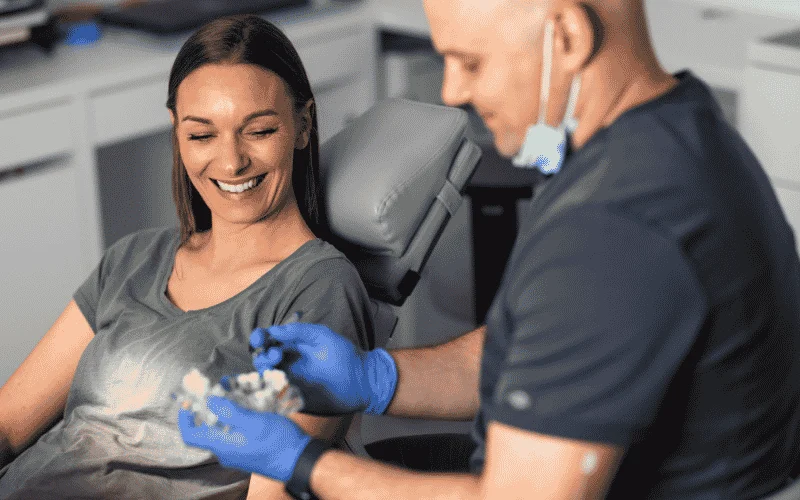
Your first step is scheduling a consultation with an orthodontist who specializes in clear aligner therapy. During this visit, the orthodontist will examine your teeth, gums, and bite to determine if you’re a good candidate for aligner treatment.
They’ll take X-rays, photos, and impressions or digital scans of your teeth. These tools help create a 3D model of your mouth that shows how your teeth will move throughout treatment.
The orthodontist will discuss any existing dental issues that need attention first. You might need fillings, gum treatment, or other work before starting aligners.
They’ll also explain realistic expectations for your specific case and answer questions about timeline and costs.
Personalizing Your Aligner Therapy Plan
Your orthodontist works with your dentist to create a custom treatment plan just for you. The plan maps out exactly how your teeth will shift from their current position to their final alignment.
You’ll see a digital preview of what your smile will look like after treatment. This helps you understand the changes that will happen over the coming months.
The plan includes how many aligner sets you’ll need and how long you’ll wear each one. Most people change aligners every 1-2 weeks.
Your total treatment time depends on how much your teeth need to move and any dental conditions you have.
Commitment and Success Tips for Adults
Wearing your aligners for 22 hours each day is essential for success. You should only remove them when eating, drinking anything other than water, and brushing your teeth.
Set phone reminders to help you stay on track with wearing time. Keep your aligner case with you at all times so you have a safe place to store them during meals.
Plan your eating schedule around aligner wear. If you like to snack throughout the day, you’ll need to adjust to eating at specific mealtimes instead.
Every time you remove your aligners to eat, you’ll need to brush your teeth before putting them back in.
Track your progress by taking monthly photos of your smile. This helps you see the changes happening and stay motivated when treatment feels long.
Frequently Asked Questions
Clear aligners work at any age, and cost varies based on your specific needs. Adults often wonder about effectiveness in their later years and what results they can realistically achieve.
What’s the oldest age you can get clear aligners?
There’s no upper age limit for getting clear aligners. Your teeth can be straightened at 40, 50, 60, or even older as long as your gums and jawbone are healthy.
The key factor isn’t your age but the condition of your oral health. If you have strong teeth and healthy gums, you’re likely a good candidate for treatment.
Are clear aligners still effective for adults over 50 or 60?
Clear aligners remain effective for older adults. Your teeth respond to the constant pressure from aligners regardless of your age.
The main difference is that adults have greater bone density than teenagers, and their bones and teeth are more mature. This means your treatment might take a bit longer than it would for a younger person.
You may have more existing dental issues like missing teeth or receding gums. Your orthodontist will work with your dentist to create a treatment plan designed specifically for your needs.
How much do clear aligners typically cost for seniors?
Clear aligners can cost anywhere from $1,200 to $8,500 depending on your needs and the type you choose. The price varies based on how much correction your teeth need and which brand you select.
More complex cases that require longer treatment times will cost more. Simpler adjustments fall on the lower end of the price range.
Some dental insurance plans may cover part of the cost. Check with your insurance provider to see what’s included in your coverage.
What are the most common reasons some people have a negative experience with Invisalign?
Not wearing the aligners for the recommended 22 hours each day is the biggest reason people struggle. If you don’t wear them enough, you might get sore gums and teeth and fall behind on your progress.
Some people find adjusting their eating habits difficult since you need to remove aligners before eating. If you like snacking throughout the day, you’ll need to stick to set mealtimes instead.
Clear aligners also don’t work for every type of dental problem. Some severe misalignment issues need traditional braces or other treatments.
What kinds of before-and-after results can adults realistically expect with clear aligners?
You can expect straighter teeth and an improved bite alignment. The exact results depend on your starting point and how closely you follow your treatment plan.
The average time to straighten your smile with clear aligners is 22 months. Your timeline may be shorter or longer based on how crooked your teeth are now.
Clear aligners work best for mild to moderate spacing issues, crowding, and bite problems. They can close gaps, align crooked teeth, and fix overbites or underbites in many cases.
How can you tell the difference between real straightening results and a teeth-straightening filter?
Real results show gradual changes over many months of treatment. Filters create instant, often unrealistic changes that look too perfect.
Look for progress photos taken at consistent angles with similar lighting. Real treatment shows small improvements over time rather than dramatic overnight transformations.
Authentic before-and-after photos usually come from dental offices or orthodontists who document the full treatment journey. They’ll show the teeth from multiple angles and include details about the treatment timeline.