Knowing when to replace silver fillings can help you protect your teeth without undergoing unnecessary dental work.
A crack, loose filling, or new sensitivity may require attention, while darkening alone does not always mean a filling needs replacement.
If your old silver filling is cracked, chipped, loose, or catching food, have it checked soon, because a broken seal lets bacteria slip underneath; if it has only turned dark and feels fine, it often needs nothing more than monitoring.
When replacement is needed, tooth-colored fillings work well for small and medium repairs, while larger damage may call for an inlay, onlay, or crown.
The age of the filling tells you very little. What counts is whether the filling still seals the tooth and whether enough healthy tooth remains around it.
Key Takeaways
- A cracked or leaking silver filling deserves a prompt dental exam.
- Darkening alone is a normal aging change and seldom proves decay.
- The amount of healthy tooth left decides which tooth-colored repair fits best.
When Does a Cracked Silver Filling Need Attention?
A cracked silver filling needs attention as soon as you notice it, even if it does not hurt yet. Cracks, rough edges, and new sensitivity all suggest the seal is breaking down, and new decay under a filling grows quietly before it causes pain.
Signs the Filling or Surrounding Tooth Is Failing
Silver fillings (also called amalgam fillings) wear out slowly. Years of chewing and hot and cold drinks make the metal and tooth expand at slightly different rates. Over time that stress shows up in ways you can feel or see.
Watch for these signs of a failing filling:
- A sharp or rough edge your tongue keeps finding
- A visible crack, chip, or missing piece
- Food packing into the same spot after every meal
- Floss that shreds or snags at one tooth
- New sensitivity to cold, heat, or sweets in a tooth that used to be comfortable
- A bad taste or odor coming from one area
If you grind or clench your teeth (bruxism), your fillings take extra force every night. Large old fillings are also riskier, since the thin tooth walls left around them can flex and crack.
Which Symptoms Call for a Prompt Dental Visit?
Some symptoms should not wait for your next checkup. Call your dentist within a few days if you notice:
- Pain when you bite down or release your bite
- A filling that feels loose or moves
- Sensitive teeth that linger for more than a few seconds after a cold drink
- A piece of filling that broke off or fell out
Pain on biting is the one patients most often brush off. It can mean a cracked filling, a cracked tooth, or decay nearing the nerve.
A tiny rough spot with no pain at all is usually fine to mention at your next routine visit.
Why Cracks and Open Edges Can Lead to New Decay
A filling protects your tooth only while its edges stay sealed. Once a small gap opens, saliva, food bits, and bacteria seep in. Dentists call this new decay under or beside an old filling recurrent decay.
The softer layer under enamel (dentin) decays faster than the outer shell. So a cavity can spread underneath while the filling still looks normal from above.
When caught early, decay around an existing filling may be treated with a replacement filling. More extensive damage may require a crown or root canal treatment.
Does a Dark Filling Mean Something Is Wrong?
A dark filling is usually a normal sign of age. Dental amalgam is a metal mix of silver, tin, copper, and mercury, and like old silverware, its surface tarnishes over the years.
Roughly half of a silver amalgam filling is mercury bound into that alloy.
Normal Darkening Versus Staining at the Edges
Most silver amalgam fillings shift from shiny silver to gray, brown, or near-black. Metal ions can also seep into the nearby tooth and give it a gray shadow.
That kind of even, all-over darkening is a cosmetic change. If the filling feels smooth, your bite feels normal, and nothing hurts, the color alone is no cause for alarm.
When Discoloration May Point to a Gap or Decay
Some dark changes deserve a closer look. Ask your dentist to check if you see:
| What you notice | What it may mean |
| Whole filling turned gray or black | Normal tarnish |
| Gray shadow in the tooth near the filling | Metal staining, often harmless |
| Thin dark line right at the edge | Possible gap, or just stain |
| Dark spot plus sensitivity or food trapping | Possible new decay |
| Chalky or soft-looking tooth at the edge | Likely decay |
A dark line at the edge is not always a cavity. Your dentist needs to feel the edge and look at an X-ray to tell stain from a gap.
How Does a Dentist Decide Whether to Replace It?
Your dentist decides based on what the tooth shows, never on the filling’s birthday. A thorough dental examination plus X-rays reveals whether the seal is intact, while symptoms and your bite fill in the rest.
What an Examination and X-Rays Can Reveal
During dental examinations, your dentist checks several things:
- The surface: cracks, chips, and worn-down spots, often under magnification
- The edges: a thin instrument glides along the margin to feel for catches or gaps
- Your bite: how the tooth handles pressure, and whether biting on one cusp hurts
- The hidden side: a dental x-ray shows decay under the filling and between teeth that no one can see by eye
Dental X-rays can help reveal decay around or beneath an existing filling, although some problems may not be visible on an X-ray alone.
Keeping up with regular dental cleanings and exams lets your dentist compare dental x-rays over time and spot changes early.
At Wojtowicz Dental Implant and Family Dentistry, Dr. Emily Wojtowicz can evaluate the condition of your existing fillings, check for cracks or decay, and help determine whether monitoring or replacement is appropriate.
When Monitoring Is Better Than Replacement
If a filling is intact, sealed, and comfortable, leaving it in place is the kinder choice for your tooth.
Removing an old filling may also require removing some surrounding tooth structure, depending on the filling’s condition and the extent of any damage.
Monitoring makes sense when:
- The filling is dark but smooth and tight
- X-rays show no decay
- You have no pain or sensitivity
At Wojtowicz Dental, we photograph fillings we are watching so you can see for yourself whether anything changes at the next visit.
If it has been a long time since your last checkup, our tips for a first dental appointment after years can ease you back in.
Which Tooth-Colored Restoration Fits the Tooth?
The right replacement depends on how much healthy tooth remains once the old filling and any decay are gone.
Smaller holes do well with bonded composite, while teeth with weak or missing walls need a restoration that covers and braces more of the tooth.

When a Composite Filling Is Enough
Tooth-colored fillings are a resin mixed with fine glass particles, shaded to match your tooth. They bond directly to enamel and dentin, so your dentist can often keep more natural tooth than older silver-filling shapes required.
Composite fillings may be appropriate when the original filling was small to medium and the surrounding tooth structure remains strong.
Dental bonding uses a similar material to repair small chips on front teeth.
When an Inlay, Onlay, or Crown Offers Better Support
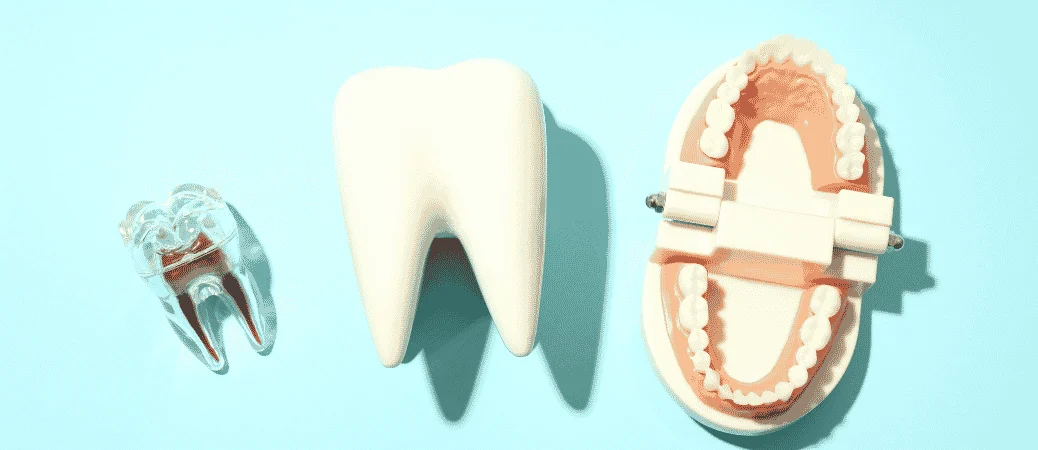
A very large silver filling leaves thin cusps that can snap under chewing force. Another direct filling will not hold those walls together, so restorative dentistry offers stronger options:
- Inlay: a custom piece that fits inside the grooves between cusps
- Onlay: covers one or more weakened cusps to protect them from breaking
- Dental crown: caps the whole visible tooth when most of it is damaged
If decay or a crack affects the dental pulp, root canal treatment may be necessary. A crown or another suitable restoration may then be recommended to protect the tooth.
Gold fillings are still a durable choice for some people, though they do not match tooth color. Ask whether same day dental crowns are an option so you can skip a temporary.
What Happens During Replacement and Recovery
Here is what a typical replacement visit looks like:
- Your dentist numbs the tooth with local anesthetic.
- The old silver filling is removed in pieces with strong suction running.
- Any decay is cleaned out, and the tooth is checked for cracks.
- Composite is placed in layers, hardened with a blue curing light, then shaped to your bite.
A composite filling takes one visit. Inlays, onlays, and lab-made crowns take two. Mild cold or bite sensitivity for a few days afterward is common.
If your bite feels high after the numbness wears off, call for a quick adjustment. Nervous patients can ask about sedation dentistry for dental anxiety.
What About Mercury Exposure During Removal?
Removing an amalgam filling releases more mercury vapor than leaving an intact one alone. That is the main reason dentists do not pull out healthy silver fillings just because of the mercury.
Why Intact Amalgam Fillings Are Not Routinely Removed
The U.S. Food and Drug Administration does not recommend removing amalgam fillings that are in good condition.
The FDA notes that drilling out sound fillings briefly increases mercury vapor exposure and removes healthy tooth structure. The American Dental Association holds the same view.
The FDA has said certain higher-risk groups may want to avoid new amalgam, including pregnant or nursing women and people with kidney problems or mercury allergy.
That guidance covers new fillings. It does not call for removing sound ones you already have.
How to Discuss Removal Concerns with Your Dentist
If a filling needs replacing anyway, ask how your dentist limits mercury vapor exposure. Common steps include:
- A rubber dam that isolates the tooth
- High-volume suction close to the tooth
- Cutting the filling into chunks instead of grinding it to dust
- Water spray to keep the metal cool
Questions worth asking: Is there decay or a crack you can show me? What happens if we wait? Which material fits this tooth? A good dentist will answer each one using your X-rays.
Let the Tooth’s Condition Guide the Decision
The health of your tooth should drive the choice. Cracks, open edges, food trapping, and new pain point to a filling that has lost its seal, and those deserve a prompt exam.
A filling that has simply darkened but feels smooth can usually stay put while your dentist keeps an eye on it.
When replacement is needed, match the repair to the damage. Composite works for small and medium holes. Inlays, onlays, and crowns protect teeth with thin or cracked walls.
Bring your questions and ask to see the X-ray finding behind any recommendation.
Frequently Asked Questions
Can a cracked silver filling be repaired instead of replaced?
Small chips at the edge can sometimes be smoothed or patched. A true crack through the filling, or a gap with decay underneath, needs full replacement so the dentist can clean out the problem.
Is a black line around an old filling always a cavity?
No. Many dark lines are surface stain or metal tarnish, and only an edge check and X-ray can show whether a gap or decay is present.
Should I replace a silver filling that does not hurt?
Not if it is intact, sealed, and clear on X-rays. If your dentist finds a crack or decay, replace it even without pain, because new decay often stays silent until it is advanced.
Will a tooth-colored filling last as long as my old silver filling?
Composite tends to wear faster than amalgam on heavy-chewing back teeth. For large repairs, an onlay or crown often lasts longer than a big composite filling.
Can I replace several silver fillings at the same time?
Yes, if each one has a clear problem, and your dentist may split the work over a few visits. Each tooth should be judged on its own.
At Wojtowicz Dental, we plan multi-filling care tooth by tooth and show you the X-ray reason for every replacement before treatment begins.