Dental problems never happen at a convenient time. You might be eating dinner when a tooth suddenly cracks, or wake up in the middle of the night with intense pain.
Knowing when to seek immediate care can mean the difference between saving or losing a tooth.
A dental emergency is any situation that causes severe pain, uncontrolled bleeding, a knocked-out tooth, facial swelling, or signs of infection that need immediate attention to prevent serious complications.
Not every dental issue requires urgent care also known as emergency dentistry. A minor chip or dull ache can usually wait for a regular appointment, but certain signs indicate a true emergency that needs fast action.
Understanding when you should call an emergency dentist and which symptoms require immediate treatment helps you protect your oral health and avoid bigger problems down the road.
This guide will walk you through the warning signs you shouldn’t ignore, what to do when they happen, and how to respond quickly to dental emergencies.
Key Takeaways
- Severe pain, uncontrolled bleeding, knocked-out teeth, facial swelling, and infection signs require immediate dental care
- Quick action within the first hour of a dental emergency can save your tooth and prevent complications
- Knowing how to respond to common dental injuries and when to seek help protects your long-term oral health
Recognizing Dental Emergencies
Knowing how to spot a dental emergency can save your tooth, reduce pain, and prevent serious health problems. The key is understanding what requires immediate attention versus what can wait for a regular appointment.
Defining a Dental Emergency
A dental emergency is any problem with your teeth, gums, or mouth that needs immediate attention to stop bleeding, save a tooth, or relieve severe pain. These situations can quickly get worse if you don’t get help right away.
Emergency dental care becomes necessary when delaying treatment could lead to permanent damage or serious health risks. Think of it like other medical emergencies; you wouldn’t wait to treat a broken bone or severe cut.
The main difference between a regular dental problem and what counts as a dental emergency is urgency. If you’re experiencing severe symptoms or risk losing a tooth, you need immediate dental care.
When Urgent Dental Care Is Needed
You should seek urgent dental care right away if you have a knocked-out tooth. Time matters most here; getting to a dentist within 30 to 60 minutes gives you the best chance of saving the tooth.
Severe infections require immediate attention because they can spread to other parts of your body. A dental abscess with fever or swollen lymph nodes is a medical emergency, not just a dental one.
Uncontrolled bleeding that won’t stop after 15 to 20 minutes needs emergency dental services. This can happen after an injury or tooth extraction.
You also need urgent care for teeth that have been pushed into the socket or knocked sideways out of position. The sooner you get treatment, the better your chances of keeping the tooth.
Common Symptoms Not to Overlook
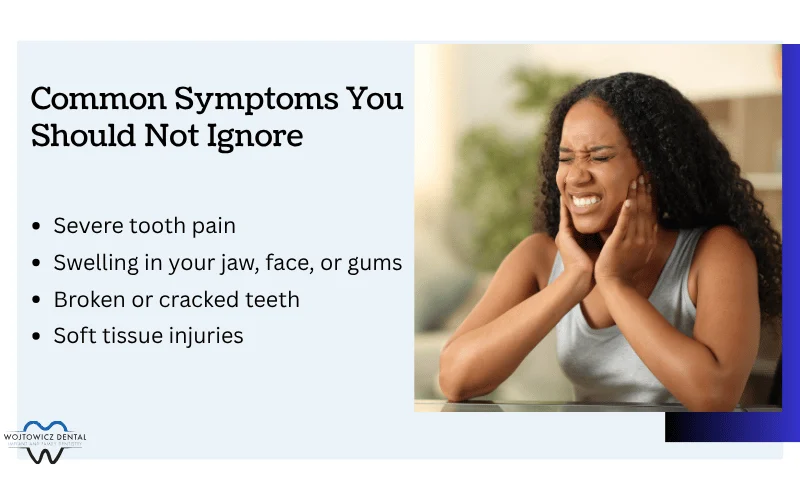
Severe tooth pain that throbs and doesn’t go away signals a serious problem. If over-the-counter pain medicine doesn’t help or the pain gets worse, you need to call your dentist.
Swelling in your jaw, face, or gums often means you have an infection. This can be a sign of a dental abscess that needs treatment right away.
Broken or cracked teeth with sharp pain when you bite down require immediate care. The damage can get worse and expose the inner part of your tooth to bacteria.
Soft tissue injuries like deep cuts to your gums, cheeks, or lips that bleed heavily need attention. Apply gentle pressure with clean gauze while you head to get help.
Key Symptoms That Signal an Emergency
Certain dental symptoms require immediate attention to prevent serious complications.
Pain that won’t stop, swelling in your face or gums, bleeding you can’t control, and sudden sensitivity are all signs your body is telling you something is wrong.
Severe or Persistent Tooth Pain
Severe tooth pain that keeps you awake at night or makes it hard to focus on daily tasks needs immediate attention.
A persistent toothache that lasts more than a day or two often points to decay that has reached the tooth’s nerve or an infection brewing beneath the surface.
Severe toothache can indicate an abscess or nerve damage that requires prompt treatment. If over-the-counter pain relievers don’t help or the pain gets worse, you should call your dentist right away.
Sharp, throbbing pain when you bite down or touch the tooth is especially concerning. This type of discomfort suggests the problem is getting worse and won’t resolve on its own.
Facial Swelling and Swollen Gums
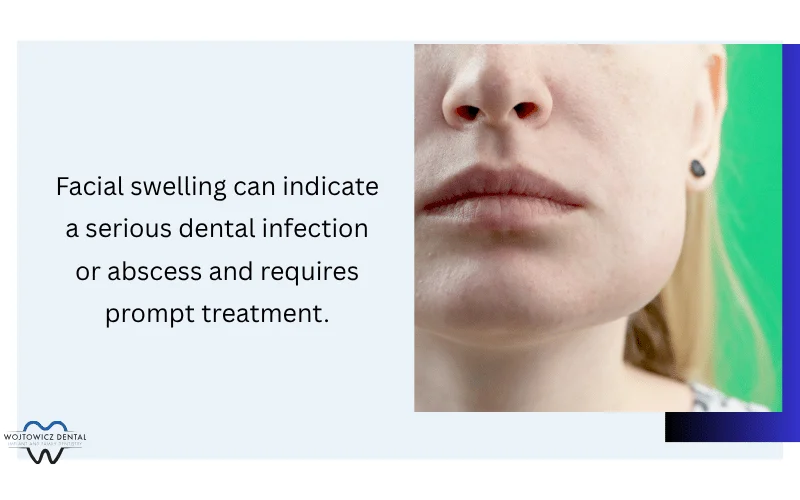
Facial swelling is one of the most serious dental emergencies you can experience. Swelling in your face, gums, or jaw can signal an abscessed tooth or oral infection that needs immediate care.
An abscess is a pocket of pus caused by bacterial infection. It can spread to your jaw, neck, or other parts of your body if left untreated.
Swollen gums around a specific tooth, especially when accompanied by a bad taste in your mouth or pus discharge, indicate infection. You might also notice a bump on your gums that feels tender to the touch.
Don’t wait to seek care if you have swelling combined with fever, difficulty swallowing, or trouble breathing.
Uncontrolled Bleeding
Bleeding gums after brushing may just mean you need to floss more gently. But uncontrolled bleeding that doesn’t stop after 10 minutes of applying pressure is a dental emergency.
Heavy bleeding can happen after dental work, an injury to your mouth, or due to gum disease. If blood soaks through multiple gauze pads or you’re spitting out large amounts of blood, you need immediate help.
Persistent bleeding due to trauma or unknown causes requires professional evaluation. Rinse your mouth with cold water and apply a clean gauze pad with firm pressure while you contact your dentist.
Sudden Tooth Sensitivity or Jaw Pain
Sudden tooth sensitivity to hot or cold foods that makes you wince could mean a cracked tooth or exposed nerve. While some sensitivity is normal, sharp pain that lingers after the temperature stimulus is gone needs attention.
Jaw pain that comes on suddenly, especially if it’s on one side and accompanied by swelling, might indicate an infection or abscess. Difficulty opening your mouth fully or pain when chewing are also warning signs.
Tooth sensitivity combined with visible cracks, chips, or darkening of the tooth requires same-day care when possible. These symptoms suggest the tooth’s protective layers are compromised and the inner pulp is at risk.
Dental Trauma and Tooth Damage
Tooth injuries range from minor chips to complete tooth loss, and knowing which ones need immediate care can protect your smile. Severe pain, bleeding, or a knocked-out tooth means you need to see a dentist right away.
Knocked-Out and Loose Teeth
A knocked-out tooth is one of the most serious dental trauma symptoms that require immediate care. You have about 30 minutes to an hour to save the tooth, so time matters.
If your tooth comes out completely, pick it up by the crown (the white part you see when you smile). Don’t touch the root. Rinse it gently with water if it’s dirty, but don’t scrub it or remove any tissue attached to it.
Try to place the tooth back in its socket if you can. If that’s not possible, keep it moist by putting it in a cup of milk or holding it between your cheek and gums.
Get to a dentist immediately because they may be able to replant your tooth in its socket and use a splint to hold it in place.
A loose tooth also needs quick attention. Don’t wiggle it or try to push it back into place yourself. This type of injury can damage the ligaments that hold your tooth in position.
Broken, Cracked, or Fractured Teeth
A broken tooth, cracked tooth, or fractured tooth can cause different levels of damage. Some cracks only affect the outer layer of your tooth, while others reach deep into the pulp where nerves and blood vessels live.
Signs you have a serious fracture:
- Sharp pain when biting down
- Sensitivity to hot or cold that doesn’t go away
- Pain that comes and goes
- Visible crack lines on your tooth
If a crack reaches your tooth pulp, you’ll likely need root canal therapy to remove the damaged nerves and tissues inside. Your dentist may also put a crown on the tooth to protect it from further damage.
Even small cracks can get worse over time. Bacteria can enter through tiny openings and cause infection. Don’t wait to get checked if you notice any damage to your teeth.
Chipped Teeth and Lost Fillings
A chipped tooth might not hurt right away, but it still needs attention. Small chips expose the inner layers of your tooth to bacteria and decay. Your dentist can use dental bonding or fillings to fix minor chips and restore your tooth’s shape.
A lost filling leaves your tooth vulnerable to damage. The area where your filling was is softer than normal tooth enamel. Without protection, that spot can decay quickly or break.
You might not need same-day care for a small chip with no pain, but don’t ignore these problems. What starts as a minor issue can turn into something more serious if you wait too long. Call your dentist within a day or two to schedule a repair.
Save any pieces of your chipped tooth if you can find them. Sometimes your dentist can reattach larger fragments.
Understanding Infections and Abscesses
Infections in your mouth can start small but quickly become serious medical emergencies. Recognizing the warning signs of tooth and gum infections early helps you get treatment before complications develop.
Signs of Tooth or Oral Infections
A tooth infection happens when bacteria invade the innermost part of your tooth through a cavity, crack, or chip. You’ll typically notice severe, constant pain that throbs and may spread to your jawbone, neck, or ear.
Your tooth becomes sensitive to hot and cold temperatures. Chewing or biting down causes sharp discomfort.
Other signs include:
- Swelling in your face, cheek, or neck
- Fever
- Tender lymph nodes under your jaw
- Bad taste or foul odor in your mouth
- A sudden rush of salty, bad-tasting fluid if the infection ruptures
The pain from a dental infection often starts as your main symptom. But swelling and fever tell you the bacteria are spreading beyond the original site.
Dental Abscess and Complications
A dental abscess creates a pocket of pus caused by bacterial infection. It can form at the tip of your tooth root or in your gums beside the tooth.
If you have a fever and facial swelling and can’t reach your dentist, go to an emergency room. You should also seek emergency care if you have trouble breathing or swallowing.
These symptoms mean the infection has spread deeper into your jaw, throat, or neck.
An untreated abscess won’t go away on its own. Even if it ruptures and your pain improves, you still need dental treatment.
The infection can spread to your sinuses, throughout your bloodstream, or cause sepsis, which is life-threatening.
Gum Disease and Its Warning Signs
Gum disease starts with inflammation of your gum tissue. Early stages cause red, swollen gums that bleed when you brush or floss.
As it progresses, you may notice:
- Gums pulling away from your teeth
- Persistent bad breath
- Pus between your teeth and gums
- Loose teeth
- Pain when chewing
Advanced gum disease creates pockets where bacteria collect and form infections. These infections can damage the bone supporting your teeth and lead to tooth loss if left untreated.
Responding to a Dental Emergency
Acting quickly when a dental problem strikes can save your tooth and prevent serious complications. You need to know when to call for help, what steps to take immediately, and how to manage discomfort until you get professional care.
When to Contact an Emergency Dentist
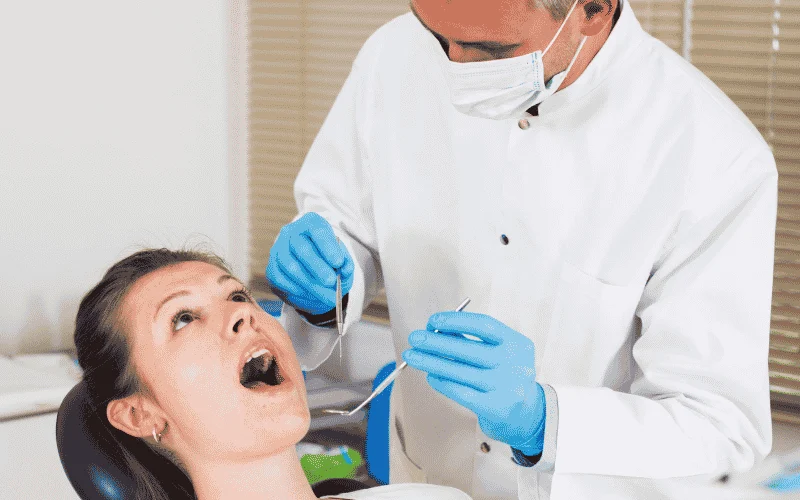
You should call an emergency dentist right away if you have a knocked-out tooth, severe bleeding that won’t stop, or facial swelling that affects your breathing or swallowing.
Conditions requiring immediate attention include those that relieve severe pain or risk of infection.
Contact a dentist in Mauston, WI within 24 hours for a cracked tooth, a lost filling or crown, or pain that doesn’t respond to medication.
If you have fever and chills along with dental pain, you need urgent care because this signals an infection spreading in your body.
Many dental offices have emergency lines you can call after hours. Some dentists offer same-day appointments for urgent problems.
If you can’t reach your regular dentist, look for emergency dental clinics in your area that stay open evenings and weekends.
What to Do Before You Reach Care
For a knocked-out tooth, pick it up by the crown (not the root) and rinse it gently with water. Try to place it back in the socket if possible, or keep it moist in milk or your saliva until you reach the dentist.
Time matters because teeth have the best chance of being saved within 30 minutes.
If you have a broken tooth, rinse your mouth with warm water and save any pieces you can find. Cover sharp edges with dental wax or sugar-free gum to protect your tongue and cheeks.
For objects stuck between teeth, try to remove them gently with floss. Never use sharp tools or pins because you could damage your gums or push the object deeper.
Managing Pain and Swelling at Home
You can use over-the-counter pain relief like ibuprofen or acetaminophen to manage discomfort until your appointment. Follow the dosage instructions on the label and don’t exceed the recommended amount.
A cold compress applied to the outside of your cheek helps reduce swelling and numb pain. Hold it against the affected area for 15 minutes at a time, then remove it for 15 minutes before reapplying.
Never put ice directly on your skin or inside your mouth.
Quick pain relief tips:
- Rinse with warm salt water (1/2 teaspoon salt in 8 ounces of water)
- Keep your head elevated to reduce blood flow to the area
- Avoid hot, cold, or sugary foods that trigger sensitivity
- Don’t chew on the affected side
These home remedies only provide temporary relief. They don’t fix the underlying problem, so you still need to see a dentist as soon as possible.
Tips for Preventing Dental Emergencies
Taking care of your teeth daily, protecting your mouth during physical activities, and seeing your dentist regularly can help you avoid painful problems before they start.
At-Home Dental Care
Your daily oral care routine forms the foundation for preventing dental emergencies. Brush your teeth twice a day for two minutes each time using fluoride toothpaste.
Floss once daily to remove food particles and plaque between teeth where your toothbrush can’t reach.
These simple habits prevent cavities and gum disease that can turn into serious problems. When you skip brushing or flossing, bacteria build up and create tooth decay that may lead to infections or abscesses.
You should also avoid using your teeth as tools. Don’t open bottles, tear packages, or bite your nails with your teeth. Stop chewing on ice, popcorn kernels, and hard candies that can crack your teeth.
These bad habits cause many dental injuries that could be easily avoided.
Sports Safety and Mouthguards
Wearing a mouthguard protects your teeth during contact sports and recreational activities. A mouthguard cushions blows to your face and reduces the risk of chipped, broken, or knocked-out teeth.
You need a mouthguard for football, hockey, basketball, soccer, and wrestling. But you should also wear one during non-contact activities like skateboarding, biking, and rollerblading where falls are common.
Custom-fitted mouthguards from your dentist offer the best protection and comfort. Store-bought options work too if they fit properly.
Make sure your mouthguard covers your upper teeth completely and allows you to breathe and speak normally.
Importance of Routine Checkups
Regular dental visits catch small problems before they become emergencies. Your dentist can spot early signs of decay, cracks, or gum disease during dental exams. These issues are easier and cheaper to fix when caught early.
Most people need dental checkups every six months. Your dentist may recommend more frequent visits if you have a history of cavities or gum disease.
During checkups, your dentist also removes built-up plaque and tartar that you can’t clean at home. Professional cleanings prevent infections and keep your gums healthy.
X-rays taken during these visits reveal hidden problems below the gum line that could cause pain later.
Frequently Asked Questions
Many people wonder whether their dental problem requires immediate attention or if it can wait for a regular appointment. Understanding the warning signs helps you make the right decision for your health.
How can I tell if my toothache is serious enough to need urgent care?
A toothache becomes urgent when the pain is severe and doesn’t improve with over-the-counter medication.
You should seek care right away if you have bleeding that won’t stop or if the pain keeps you from eating, sleeping, or doing daily activities.
Mild or dull toothaches can usually wait for a regular appointment. Try rinsing with warm water and using dental floss to remove any food stuck between your teeth.
If your tooth pain comes with fever, swelling in your face or jaw, or difficulty swallowing, these are signs of a dental emergency that need immediate attention.
What symptoms of a tooth infection mean I shouldn’t wait to see a dentist?
A tooth infection can spread quickly and become dangerous if left untreated. Watch for swelling in your face, jaw, or neck area that seems to be getting worse.
Fever along with tooth pain often signals an infection that needs urgent treatment. You should also seek care if you have difficulty breathing or swallowing.
Pus or a foul taste in your mouth indicates an active infection. Severe, throbbing pain that doesn’t respond to pain relievers is another warning sign that requires immediate attention.
When does gum swelling or a bump on the gums become an emergency?
Gum swelling becomes urgent when it happens rapidly or makes it hard to breathe or swallow. A pimple-like bump on your gums is often a dental abscess, which is an infection that can damage tissue and surrounding teeth.
If the swelling spreads to your face or jaw, you need to see a dentist as soon as possible. Left untreated, the infection could spread to other parts of your body.
Minor gum irritation or small bumps that aren’t painful can usually wait for a regular appointment. However, if you notice the area getting bigger or more painful over a few hours, don’t delay getting care.
Is a chipped, cracked, or knocked-out tooth always considered urgent?
A knocked-out tooth is always urgent because your dentist has the best chance of saving a knocked-out tooth when it’s returned to its socket within one hour. Keep the tooth in milk or salt water and get to your dentist immediately.
A badly cracked tooth that causes severe pain needs same-day attention. Save any broken pieces and rinse your mouth with warm water while you contact your dentist.
Small chips or cracks without pain can wait for a regular appointment. If sharp edges bother your tongue or cheeks, you can cover them with orthodontic wax from the pharmacy until your visit.
What should I do if I’m bleeding from my mouth and it won’t stop?
Rinse your mouth with mild salt water first. Apply pressure to the bleeding area using clean gauze or a caffeinated tea bag for 15 to 20 minutes.
If bleeding continues after 20 minutes of pressure, you need emergency care. Go to your dentist’s office or the emergency room right away.
Hold a cold compress against the outside of your mouth to help control bleeding and reduce swelling. Keep applying pressure with gauze until you can get professional help.
What does the “3-3-3 rule” mean for a possible tooth infection?
The 3-3-3 rule helps identify when swelling from a tooth infection is becoming dangerous. It means swelling has spread to three spaces in your mouth or face, has been present for three days, or measures three finger widths across.
This rule serves as a warning sign that an infection may be spreading quickly. You should seek immediate care if your swelling fits any part of this guideline.
Infections that spread beyond the tooth can affect your breathing, swallowing, or overall health. Don’t wait to see if the swelling goes down on its own when it reaches this level.