
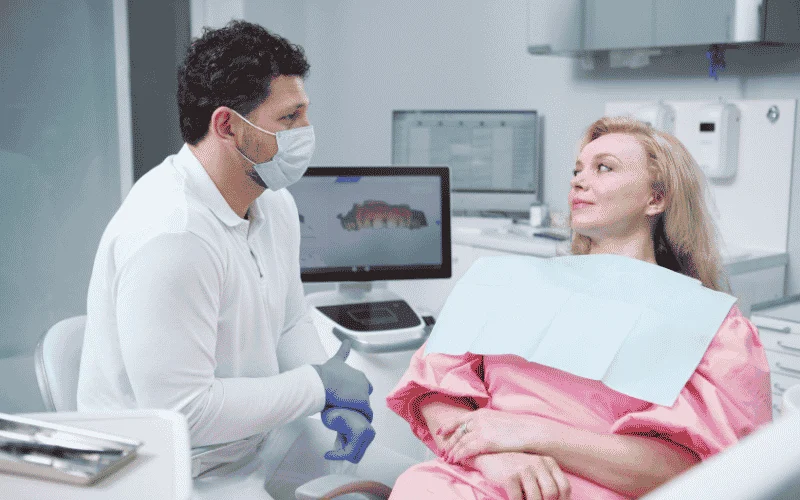
If you haven’t been to the dentist in years, you’re not alone. Many people avoid dental visits because of anxiety, cost concerns, or simply because life got busy.
The good news is that dentists see patients who have taken long breaks all the time, and they won’t judge you for it.
Your first dental appointment after years focuses mainly on gathering information through an exam, X-rays, and usually a cleaning, followed by a clear treatment plan if any work is needed.
Most visits take about an hour, and the staff will work with you to address any anxiety you might have. Whether it’s been 2 years or 20 years, returning to the dentist is easier than you think.
The dentist will check your teeth and gums, take X-rays to see what’s happening below the surface, and talk with you about your concerns.
From there, you’ll get an honest assessment and a plan that works with your schedule and budget. Taking this step now can prevent bigger problems down the road.
Key Takeaways
- Your first visit back includes an exam, X-rays, and a discussion about any needed treatment with no judgment
- Most dental problems that develop during gaps of several years are fixable with modern treatments
- Being honest about dental anxiety and your time away helps the dental team provide better care
Why Dental Care Gaps Matter
Skipping dental visits for years allows small problems to grow into serious conditions that affect both your mouth and your body.
Early issues like plaque buildup can progress to gum disease and tooth loss without regular monitoring.
Risks of Delaying Dental Appointments
When you put off dental care, minor problems quietly become major ones. Cavities start small but can reach the tooth’s nerve if left untreated. What begins as a simple filling can turn into a root canal or extraction.
Gum disease is another common risk. Early gingivitis causes bleeding gums and mild inflammation. Without treatment, it advances to periodontitis, which damages the bone supporting your teeth.
About 100 million Americans skip yearly dental visits, according to the American Dental Association. Many don’t realize problems are developing because most dental issues don’t hurt in the early stages.
Missing oral cancer screenings is a serious concern too. Dentists check for suspicious tissue changes during regular visits. Catching abnormalities early greatly improves treatment outcomes.
How Dental Issues Progress Over Time
Dental problems follow a predictable pattern when left unchecked. Plaque forms on your teeth daily and hardens into tartar within 24 to 72 hours. You can’t remove tartar with brushing alone.
Plaque and tartar buildup create the perfect environment for bacteria. These bacteria produce acids that eat through tooth enamel, causing tooth decay. The longer tartar remains, the deeper cavities become.
Gum inflammation follows a similar path. Gingivitis makes your gums red and swollen.
As bacteria spread below the gum line, periodontal disease develops. Your gums pull away from your teeth, creating pockets where infection thrives.
The bone that holds your teeth gradually breaks down. Teeth become loose and may eventually fall out.
Long-Term Impact on Oral and Overall Health
Years without dental care lead to consequences beyond your mouth. Periodontal disease links to heart disease, diabetes complications, and respiratory problems.
Bacteria from infected gums can enter your bloodstream and affect other organs.
Tooth loss changes how you eat and speak. It also causes your jawbone to shrink over time. Your face may appear sunken, and remaining teeth can shift position.
Pain and infection often develop suddenly after years of silent progression. What could have been prevented with regular dental visits becomes an expensive emergency.
Missing teeth can be replaced with dental implants, bridges, or dentures to restore function and appearance.
Your confidence suffers too. Visible decay, missing teeth, and bad breath affect social interactions and self-esteem.
Common Concerns About Going Back
Many people worry about judgment, cost, and whether they can handle the appointment after staying away for so long. These concerns are normal, and dentists deal with them every day.
Dealing With Dental Anxiety and Embarrassment

Dental anxiety affects many people who return after years away. You might feel embarrassed about the condition of your teeth or worry that the dentist will criticize you for waiting so long.
Most dental teams see patients in your situation regularly. They focus on helping you improve your oral health, not making you feel bad about the past.
Your dentist has likely treated patients who haven’t been in 10, 20, or even 30 years.
If you feel nervous about your appointment, tell the office staff when you call. They can take extra time with you and explain each step before it happens.
Many offices offer comfort options like nitrous oxide (laughing gas), headphones with music, or breaks during treatment.
You can also start small. Your first dental visit after years away doesn’t have to include any treatment. Some people schedule a consultation just to meet the dentist and see the office.
Cost and Insurance After a Long Break
Money concerns often keep people from returning to the dentist. You might need more work done after years of missed appointments, which can add up quickly.
Call your insurance company before your appointment to check what your plan covers. Most dental insurance pays for:
- Preventive care: Cleanings and exams (usually 100%)
- Basic procedures: Fillings and extractions (usually 70-80%)
- Major work: Crowns and root canals (usually 50%)
If you don’t have insurance, ask the dental office about payment plans. Many practices let you spread costs over several months. Some offices also offer membership plans that give discounts on services.
Get a treatment plan in writing before agreeing to any work. This shows you exactly what needs to be done and how much it will cost. You can then decide what to do first and what can wait.
Finding a Supportive Dental Team
The right dental office makes all the difference when you’re nervous about going back. Look for practices that specifically mention they welcome patients who haven’t been to the dentist in years.
Read online reviews to see what other patients say about the dentist’s approach. Pay attention to comments about how the staff treats anxious patients or people returning after a long time.
When you call to schedule, notice how the receptionist responds to your concerns. A good office will be understanding and patient.
They should answer your questions without making you feel rushed.
You can also ask about the dentist’s experience with nervous patients during your first visit. Don’t be afraid to switch dentists if you don’t feel comfortable after your appointment.
Step-by-Step: What Happens During Your Return Visit
Your first dental visit after years follows a clear pattern that starts with paperwork and ends with a plan for your oral health.
Each step builds on the last to give your dentist a complete picture of your dental needs.

Check-In and Medical History Review
You’ll start by filling out forms about your medical and dental history. The office needs to know about any medications you take, health conditions you have, and allergies that might affect your treatment.
Be honest about how long it’s been since your last visit. Your dentist won’t judge you for staying away. They just need accurate information to give you the best care.
You’ll also share any concerns you have, like tooth pain, bleeding gums, or sensitivity. This helps your dentist know what to focus on during your exam.
The whole check-in process usually takes 10 to 15 minutes.
Comprehensive Oral Examination
The oral examination is where your dentist checks every part of your mouth. They’ll look at each tooth for cavities, cracks, and wear.
They’ll also check your gums for signs of disease.
Your dentist will measure the spaces between your teeth and gums using a small tool. Numbers higher than 3 millimeters can mean gum disease. They’ll also look at your tongue, cheeks, and throat.
An oral cancer screening is part of every comprehensive exam. Your dentist feels for lumps and looks for unusual spots or sores. This screening only takes a few minutes but can catch problems early.
Dental X-Rays and Diagnostics
Dental x-rays show what’s happening below your gum line and between your teeth. If you haven’t had x-rays in years, you’ll likely need a full set to check for hidden cavities, bone loss, and other issues.
The x-ray process is quick and safe. You’ll wear a lead apron to protect your body. Modern digital x-rays use very low radiation levels.
Your dentist uses these images to spot problems you can’t see or feel yet. X-rays can reveal infections at tooth roots, impacted teeth, and jaw problems. The images help create your treatment plan.
Initial Cleaning and Next Steps
What to expect at your first dental visit often includes a cleaning, though some patients need a deeper clean called scaling and root planing.
A regular dental cleaning removes plaque and tartar from above your gum line.
If you have gum disease, you might need scaling and root planing instead. This deeper cleaning goes below the gum line to remove bacteria and smooth tooth roots. It may require sedation and multiple visits.
Before you leave, the office will help you schedule an appointment. Your dentist will explain what treatments you need and in what order. They’ll give you a personalized plan based on what they found during your exam.
Potential Findings and Treatments
When you return after years away, your dentist will look for common issues like plaque and tartar buildup, cavities, and gum disease. The treatment you need depends on what they find during your exam and X-rays.
Plaque, Tartar, and Gum Assessment
Plaque forms on your teeth every day. When you skip dental visits for years, that plaque hardens into tartar buildup that you can’t remove with regular brushing.
Your dentist will examine how much tartar has accumulated, especially along your gumline and behind your lower front teeth.
They’ll use a small probe to measure the pockets between your teeth and gums. Healthy pockets measure 1-3 millimeters deep. Deeper pockets signal gum problems.
Tartar buildup creates rough surfaces where bacteria thrive. Your hygienist will remove this hardened deposit using special tools during your cleaning.
This process might feel uncomfortable if you have heavy buildup, but it’s necessary to protect your gums.
Identifying Cavities and Tooth Decay
Cavities develop when bacteria produce acid that eats through your tooth enamel. After years without checkups, small cavities can grow into larger areas of tooth decay.
Your dentist will examine each tooth visually and review your X-rays to spot decay between teeth or under old fillings.
Early cavities only affect the outer enamel. More advanced tooth decay reaches the inner dentin layer or even the nerve.
Small cavities need basic fillings that take one appointment. Larger decay might require a crown to protect what’s left of your tooth.
If decay reaches the nerve, you’ll need a root canal to save the tooth. What happens if you haven’t been to the dentist in years often includes multiple cavities at different stages that your dentist will prioritize by urgency.
Managing Gum Disease and Bleeding Gums
Gingivitis is the earliest stage of gum disease. Your gums become red, swollen, and bleed easily when you brush or floss. This condition is reversible with professional cleaning and better home care.
When gingivitis goes untreated for years, it advances to periodontitis. This more serious gum disease damages the bone supporting your teeth. You might notice bleeding gums, bad breath, or even loose teeth.
Your dentist treats periodontitis with scaling and root planing, which is a deep cleaning below the gumline.
They numb your mouth and clean out bacteria from the pockets around your teeth. This procedure usually requires two separate visits to complete, treating half your mouth at a time.
Your gums should heal and reattach to your teeth within a few weeks.
Addressing Tooth Loss and Replacement Options
Severe tooth decay or advanced gum disease can lead to tooth loss. Some teeth become too damaged to save and need tooth extraction.
You have several options to replace missing teeth. Dental implants are posts surgically placed in your jawbone that support artificial teeth. They function like natural teeth and can last decades with proper care.
Dental bridges attach artificial teeth to your natural teeth on either side of the gap. Partial dentures are removable appliances that replace multiple missing teeth.
Your dentist will explain which option works best based on how many teeth you’ve lost, your bone health, and your budget.
Even if you’ve lost teeth, modern dentistry offers solutions that restore both function and appearance.
Setting Up a Healthy Routine Going Forward
Once you complete your first appointment back, the focus shifts to preventing future problems. Regular checkups and good daily habits work together to keep your teeth and gums healthy for years to come.
Planning Regular Dental Visits
Most people need dental appointments every six months. This schedule allows your dentist to catch small problems before they become big ones.
If you have gum disease or a history of cavities, your dentist might recommend visits every three to four months. More frequent cleanings help control bacteria and keep your gums from getting worse.
Book your next appointment before you leave. This simple step makes it much easier to stick to your schedule.
You can always change the date if needed, but having it on the calendar means you’re less likely to put it off.
Set up appointment reminders on your phone or ask the dental office to send you a text or email. Many offices will call you a few days before to confirm.
Home Care Strategies
Brushing twice daily removes plaque and food particles that cause cavities. Use a soft-bristled toothbrush and fluoride toothpaste.
Brush for two minutes each time. Most people brush for less than a minute, which isn’t long enough to clean properly. Set a timer on your phone until it becomes a habit.
Floss at least once a day, preferably before bed. Flossing reaches the 40% of tooth surfaces that your brush can’t clean. If traditional floss is hard to use, try floss picks or a water flosser.
Replace your toothbrush every three months or when the bristles start to fray. A worn toothbrush doesn’t clean as well and can irritate your gums.
Limit sugary snacks and drinks between meals. Bacteria in your mouth feed on sugar and produce acid that attacks your teeth.
Building Confidence at the Dentist
Many people who avoided the dentist for years feel anxious about returning to the dentist. Each positive visit helps reduce that anxiety over time.
Tell your dentist or hygienist if something bothers you during your appointment. They can adjust their technique, take a break, or explain what they’re doing to help you feel more comfortable.
Ask questions about anything you don’t understand. Your dental team wants you to know what’s happening and why certain treatments matter for your oral health.
Bring headphones and listen to music or podcasts during cleanings if that helps you relax. Some offices also offer TV screens or other distractions.
Celebrate small wins after each visit. Completing your appointments is a real achievement, especially if dental anxiety has held you back in the past.
Frequently Asked Questions
Many people have similar worries and questions when they return to the dentist after a long break. Most concerns center on what the visit will be like, how long it takes, and whether dental staff will be understanding.
What should I expect during my first dental visit after not going for years?
Your first visit back focuses on gathering information rather than doing major treatments. The dentist will take digital X-rays to see what’s happening below your gums and between your teeth.
After the X-rays, you’ll get a complete exam. The dentist checks each tooth and looks at your gums, tongue, and the inside of your mouth. They’re looking for cavities, gum disease, and other issues.
Most first appointments include a cleaning. The hygienist removes built-up plaque and tartar that brushing can’t get rid of.
At the end, your dentist reviews everything they found. They’ll create a treatment plan if you need additional work, but there’s no pressure to do everything at once.
Will the dentist judge me if I haven’t been in a long time?
Dentists see patients who haven’t been in for years all the time.
A 2022 study found that nearly half of people worry about feeling judged at dental visits, but most dentists focus on solutions rather than your current condition.
Good dentists encourage you to get on a path to better oral health. They help you come up with a plan that works for your situation. They understand that life happens and people skip appointments for many reasons.
How long does a “catch-up” dental appointment usually take?
Plan for more time than a regular checkup. Patients who haven’t been in a while typically need longer visits because the exam is more thorough.
A first appointment after years away often takes 60 to 90 minutes. This includes time for X-rays, the full exam, cleaning, and discussing what the dentist found.
If you’re seeing a new dentist, it may take even longer since they need to learn your dental history.
Will I need X-rays right away, and are they safe?
Yes, you’ll need X-rays at your first visit back. The dentist can’t see problems between teeth or below the gum line without them.
Digital X-rays are safe and use much less radiation than older film X-rays. They give your dentist a complete picture of your oral health.
This helps them spot cavities, bone loss, infections, and other issues that aren’t visible during a regular exam.
The X-rays help your dentist create an accurate treatment plan. Without them, they might miss serious problems that need attention.
If I’m nervous or embarrassed, what can I do to make the visit easier?
Tell the dental office when you book your appointment that you’re nervous. They can take extra steps to make you comfortable.
Bring someone with you for support. A friend or family member can help you feel calmer and remind you of questions you want to ask.
Plan a reward for after your appointment. Having something nice to look forward to makes the visit feel less stressful.
Remember that about 100 million Americans don’t go to the dentist every year. You’re not alone in feeling anxious about returning.
What kinds of problems might the dentist find after years without a checkup?
Gum disease is one of the most common issues after skipping dental care. It affects about 68% of people ages 65 and older.
Early gum disease causes red, swollen gums that bleed easily, while advanced cases lead to bone loss and loose teeth.
Cavities are another frequent finding. Small cavities from years ago may have grown larger and deeper. Some might need fillings, while others could require more extensive treatment.
Built-up tartar is almost guaranteed if you haven’t had a cleaning in years. Only a dentist or hygienist can remove this hardened plaque.
The dentist will also check for oral cancer, cracked or broken teeth, worn enamel, and old fillings that need replacement. Finding these issues early makes them easier and less expensive to treat.