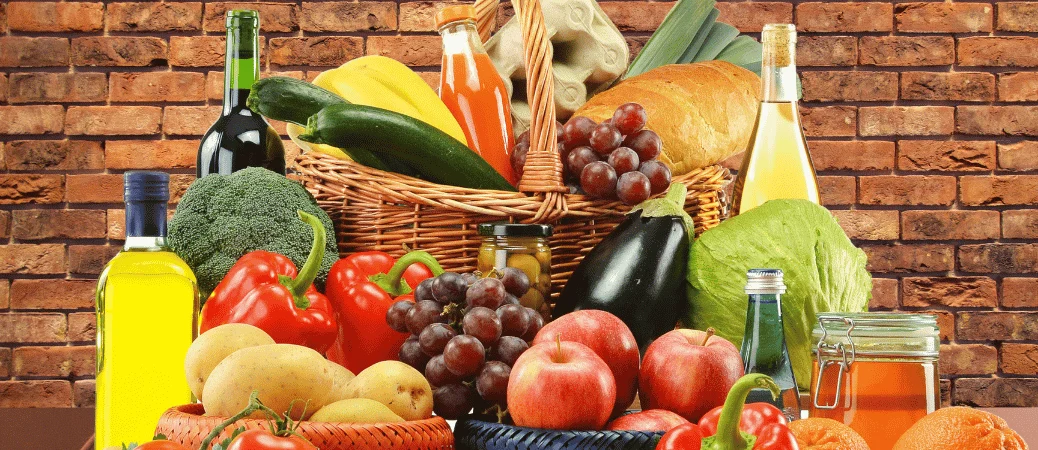
Missing a few teeth can quietly reshape your whole plate. Maybe you’ve swapped crunchy apples for applesauce or steak for ground meat without realizing it.
The connection between missing teeth and nutrition matters because tooth loss can make chewing difficult and gradually change the foods you choose to eat.
Dental implants can help restore chewing strength so you can eat a wider range of foods again, but replacing teeth alone does not automatically guarantee better nutrient intake.
Improved bite force does not always lead to better nutrition. This matters for anyone living with missing teeth, wearing dentures, or considering implants, especially older adults who may face a higher risk of nutritional gaps.
Understanding how tooth replacement and food choices work together can help you make informed decisions about your oral and overall health.
Key Takeaways
- Missing teeth often push people toward softer, less nutritious foods, which can affect long-term health.
- Dental implants restore chewing ability, but research shows that better chewing does not always translate into better nutrition without added dietary guidance.
- Eating well before and after implant treatment, including enough protein, fiber, and key vitamins, supports healing and long-term implant success.
How Does Tooth Loss Change What You Eat?
Tooth loss changes your diet by making chewing, or mastication, harder, which often pushes you toward softer foods and away from nutrient-rich options.
This shift can happen gradually, so you may not notice how much your plate has changed until someone points it out.
Why Do Missing Teeth Make Chewing Difficult?
Teeth break food into small pieces so your stomach can digest it efficiently. When several teeth are missing, that first step gets harder, and food moves into your digestive system in larger chunks.
Reduced chewing ability may be associated with lower energy and protein intake, although the size of the difference varies across studies and populations.
Over time, this can mean your body gets less fuel and fewer building blocks for muscle and tissue repair.
Which Healthy Foods Are Often Left Off the Plate?
Fresh fruits, raw vegetables, nuts, and tougher cuts of meat are some of the first foods people quietly drop. These foods take real chewing effort, and without enough stable teeth, they start to feel like more trouble than they’re worth.
That’s unfortunate, because these are exactly the foods that supply fiber, protein, and vitamins your body relies on.
Replacing them with softer, often more processed options can leave meals less balanced, even if portion sizes stay the same.
When Can Dietary Changes Raise Malnutrition Risk?
Having fewer natural teeth is associated with a greater risk of malnutrition, particularly among older adults. However, the strength of this association varies depending on overall health, diet, and access to dental care.
Older adults face this risk more often, partly because tooth loss is more common with age and partly because appetite and food variety already tend to shrink.
Edentulism, meaning the loss of all natural teeth, is one of the clearest warning signs that nutrition needs closer attention.
Can Dental Implants Help You Eat a Wider Variety of Foods?
Dental implants can restore much of your natural chewing power, which makes it easier to bring foods like meat, nuts, and raw vegetables back into your routine.
They work by anchoring directly into the jawbone, giving you a stable base that doesn’t shift or slip while you eat.
How Do Implants Restore Chewing Function?
Implants act as artificial tooth roots, fusing with the jawbone over a period of healing.
This gives you a firm foundation for the replacement teeth on top, which restores bite force much closer to what natural teeth once provided.
That stability is what lets you bite into food with more confidence. Chewing efficiency and masticatory function both improve because the implant doesn’t move the way a loose denture might.
How Do Implant-Supported Teeth Compare with Removable Dentures?
Implant-supported prostheses generally outperform removable dentures for chewing strength and comfort, though both have a place depending on your needs and bone health.
| Feature | Implant-Supported Teeth | Conventional Dentures |
| Stability while chewing | Generally more stable | May shift or slip |
| Chewing ability | Often improved | May be more limited |
| Jawbone support | Implants can help preserve surrounding bone | Do not provide the same direct bone stimulation |
| Care routine | Depends on fixed or removable design | Remove and clean daily |
| Adjustment period | Requires implant healing and adaptation | Requires adaptation but no implant surgery |
Fixed implant-supported prostheses and full-arch prostheses tend to improve oral health-related quality of life more consistently than removable options.
If you’re comparing implant-supported dentures with conventional dentures, the team at Wojtowicz Dental can help you understand the differences in stability, maintenance, and chewing comfort.
Does Better Chewing Lead to Better Nutrition?
Better chewing does not automatically mean better nutrition, and that gap is one of the more surprising findings in implant research.
Restoring bite force is only part of the picture. What you choose to eat afterward still shapes your nutrient intake.
While implants reliably improve chewing ability, the link to actual improvements in nutritional biomarkers, protein intake, or anthropometric measures like weight and BMI is less consistent across studies.
What Do Clinical Reviews Show, and What Remains Uncertain?
Clinical reviews consistently show gains in chewing efficiency after implant treatment, but mixed results on whether that translates into measurably better diets.
A case-control study of older adults with fixed implant prostheses found they had fewer meals, less variety in food choices, and fewer fruits compared with people who still had their natural teeth, even though their chewing function had improved.
This doesn’t mean implants fail to help. It means the connection between dental work and nutrient absorption is more complicated than “chew better, eat better.”
Why Are Researchers Testing Implants Alongside Nutrition Education?
Researchers are now testing implants combined with nutrition education because implants alone haven’t consistently moved the needle on diet quality in past trials.
A factorial randomized controlled trial is studying older adults with full edentulism or advanced gum disease (stage IV periodontitis), comparing implant treatment, nutrition education, and the combination of both.
The trial was designed to investigate whether combining implant treatment with nutrition education could improve dietary outcomes.
Its approach reflects an important distinction: restoring chewing ability may make healthier eating possible, while dietary guidance can help patients change their food choices.
What Should You Eat While Recovering from Implant Treatment?
Soft, nutrient-dense foods support healing in the days right after implant surgery, with a gradual return to firmer textures as your mouth recovers.
Balanced nutrition during this window supports the bone and gum tissue around your new implant.
How Can Soft Foods Provide Protein, Fiber, and Key Vitamins?
Mashed potatoes, scrambled eggs, yogurt, and smoothies can carry real nutrition even though they’re easy to eat. Blending in leafy greens or berries adds fiber and vitamin C without requiring any chewing.
Protein matters here too, since it supports tissue repair around the implant site. Greek yogurt, eggs, and protein-added smoothies are simple ways to keep intake up while you heal.
When Can You Return to Crunchier Foods?
The timeline for returning to firmer foods depends on the type of implant procedure, healing progress, and your dentist’s instructions.
Some patients may gradually return to their usual diet sooner, while others need to avoid hard or chewy foods for several weeks or longer, especially after bone grafting or full-arch treatment.
Spicy foods, hot drinks, and alcohol are worth skipping in the first few days as well, since they can irritate healing tissue.
How Can Diet Support Healing and Long-Term Implant Health?
Calcium and vitamin D contribute to normal bone health, while vitamin C and protein support tissue maintenance and healing. Fiber-rich foods also contribute to overall nutritional health.
A balanced diet supports recovery, although no single nutrient can guarantee long-term dental implant success.
Skipping these nutrients for too long can slow healing and, in some cases, raise the risk of complications. Simple, balanced meals built around whole foods go a long way during recovery.
How Can You Turn Improved Chewing into Healthier Eating?
Pairing your new chewing ability with a plan for what to actually eat is how better chewing turns into better nutrition.
Implants give you the tools, but building the habit of reaching for fruit, lean protein, and vegetables again takes a bit of intention.
When Might Nutrition Education or a Dietitian Help?
Nutrition education can help close the gap between “I can chew again” and “I’m eating better,” especially for older adults who’ve gone years avoiding certain foods.
A dietitian or your dental team can suggest simple swaps, like starting with soft-cooked vegetables before working up to raw ones.
This kind of support matters most for people recovering from terminal dentition or full-arch edentulism, where eating habits have often shifted dramatically over time.
Rebuilding variety gradually, rather than all at once, tends to feel more manageable.
What Should Older Adults Discuss with Their Dental and Medical Teams?
Older adults and caregivers should bring up appetite changes, weight loss, and specific foods they’ve been avoiding during dental visits.
These details help your dentist understand whether implant dentistry alone will meet your needs, or whether nutrition counseling should be part of the plan too.
Muscle strength and healthy aging both connect back to adequate protein and fiber intake, so this conversation fits naturally alongside discussions about quality of life and long-term oral health.
Pairing Tooth Replacement with a Better Diet

Tooth replacement works best as one half of a plan, with balanced nutrition as the other half.
Implants can restore the physical ability to chew tougher, more nutritious foods, but the shift toward actually eating them often needs a bit of extra attention and habit-building.
Frequently Asked Questions
What kind of diet is best for people with missing teeth?
Softer proteins, cooked vegetables, and blended fruits tend to work well, since they still deliver nutrients without requiring heavy chewing.
Smoothies with added protein, scrambled eggs, and well-cooked beans are easy ways to keep meals balanced while you figure out what’s comfortable to chew.
Can dental implants help me eat more fruits and vegetables?
Dental implants can make chewing fruits and vegetables easier by restoring bite force, but research shows this doesn’t guarantee you’ll actually eat more of them.
Pairing implant treatment with simple nutrition guidance improves the odds that you’ll bring these foods back into regular meals.
What foods should I avoid while dental implants are healing?
Spicy foods, hot drinks, alcohol, and anything hard or crunchy are best avoided for the first week or so after surgery. Seeds and foods that can get lodged near the surgical site are also worth skipping until your dentist gives the go-ahead.
Will dental implants improve my nutrient absorption?
Dental implants can help you chew more thoroughly, which supports the first step of digestion, but clear evidence linking implants directly to better nutrient absorption is limited.
Diet quality after treatment plays a bigger role than the implant alone.
Can I eat a hamburger with dentures or implant-supported teeth?
Implant-supported teeth generally allow for a hamburger and similar firmer foods once healing is complete, since they restore bite force closer to natural teeth.
Traditional dentures can make biting into a hamburger harder, since they don’t offer the same stability or chewing strength.